

Quick answer
Oslo is worth visiting if you value accessible nature alongside museums and urban design, particularly from May through September when fjord activities and daylight hours peak. The city offers a smaller, more manageable scale than Copenhagen or Stockholm, with free waterfront access and strong public transit. Budget-conscious travelers should note that dining and accommodation costs run high, though many outdoor experiences and several museums remain free or low-cost.
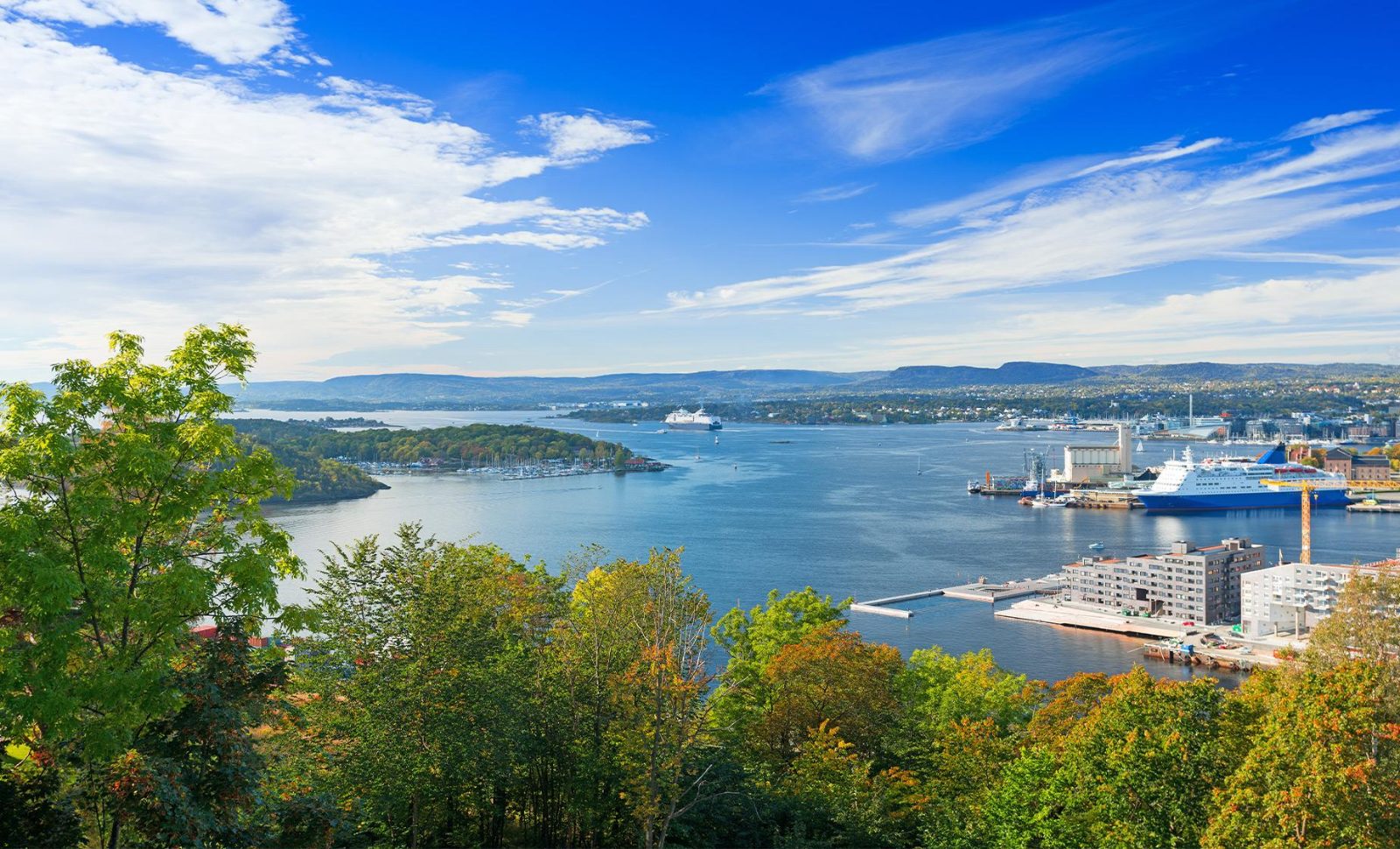
Oslo receives fewer international visitors than other Scandinavian capitals, yet it holds the highest concentration of museums per capita in Europe — twenty national institutions within a five-kilometer radius. The city spreads across islands, peninsulas, and forested hills, with the Oslofjord defining its southern edge and shaping its layout since Viking settlement. Whether visiting Oslo fits your plans depends on what you prioritize. Architecture enthusiasts find the Opera House, Barcode Project, and wooden neighborhoods in Grünerløkka worth the journey. Art collections span Munch's entire career, medieval stave church reconstructions, and the Viking Ship Museum's clinker-built vessels. Nature access stands out: forest trails begin at tram stops, public beaches line the inner fjord, and car-free islands lie fifteen minutes offshore by ferry — all within Zone 1 transit. The Oslo experience differs from Stockholm's archipelago grandeur or Copenhagen's density. Norway's capital feels quieter, less polished in parts, with shorter commercial strips and earlier closing times. English fluency is near-universal, navigation is straightforward, and the public realm prioritizes function over flourish. Summer brings near-constant daylight and outdoor life; winter offers Nordic skiing from the city center but only six hours of sun. Budget realities matter. Free options exist — the fjord shoreline, Vigeland Sculpture Park, the Royal Palace grounds, and hiking Nordmarka — but Oslo remains one of Europe's costliest cities. Travelers who value proximity to unspoiled nature, efficient infrastructure, and uncrowded cultural sites will find the city delivers; those seeking Old World charm or Mediterranean warmth should adjust expectations accordingly.
“The city spreads across islands, peninsulas, and forested hills, with the Oslofjord defining its southern edge and shaping its layout since Viking settlement.”
Is Oslo Worth Visiting: Choosing the Best Time of Year
The period from May through August offers the most reliable daylight for exploring the Oslo Fjord. Planning activities within the best arrival window of 09:00–17:00 ensures sufficient light for sightseeing and alignment with scheduled ferry operations.
May to August
High seasonal volumeMild, 15°C to 22°C. Longest daylight hours.
Warmer weather supports extended time on the water. Daylight persists well into the evening.
September to October
Moderate to low crowdsCooler, 8°C to 14°C. Crisp air.
Autumn colors appear along the shoreline. Ferry services remain consistent.
November to April
Low visitor densityCold, -5°C to 5°C. Limited daylight.
Short days restrict visibility on the fjord. Dress in layered thermal clothing.
Weekday mornings
Minimal congestion—
Visiting between 09:00 and 12:00 provides the quietest experience on the water.
Verdict: For optimal conditions, visit between May and August, arriving consistently within the 09:00–17:00 window to maximize daylight and service availability.
Is Oslo Worth Visiting: Understanding Fjord Access Fees
Access to the public fjord area is provided at no cost. Additional fees apply only when choosing organized boat tours or private maritime services.
Is Oslo Worth Visiting: Highlights of the Oslo Fjord
The Oslo Fjord offers a distinct perspective on the city, blending natural island landscapes with modern waterfront design. Exploring these areas provides a clear view of how the capital connects to its maritime surroundings.
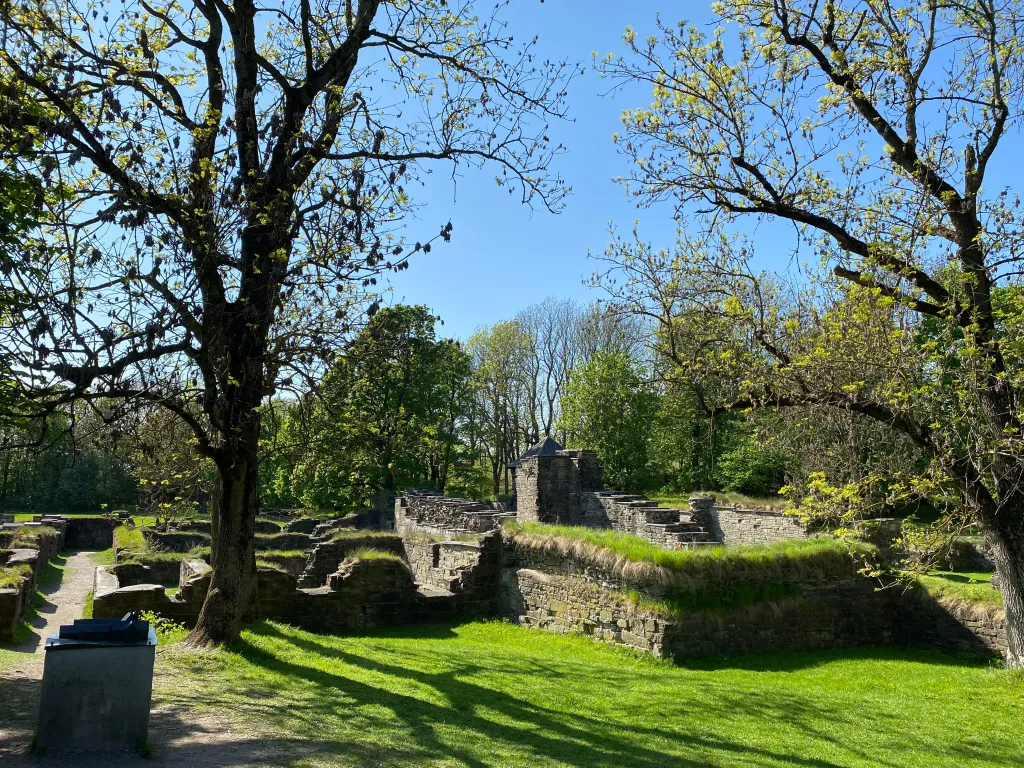
Hovedøya
An island featuring the ruins of a 12th-century Cistercian monastery and varied hiking paths. It remains the closest island to the city center, reachable by local ferry.
Walk toward the monastery ruins for clear views of the fjord.
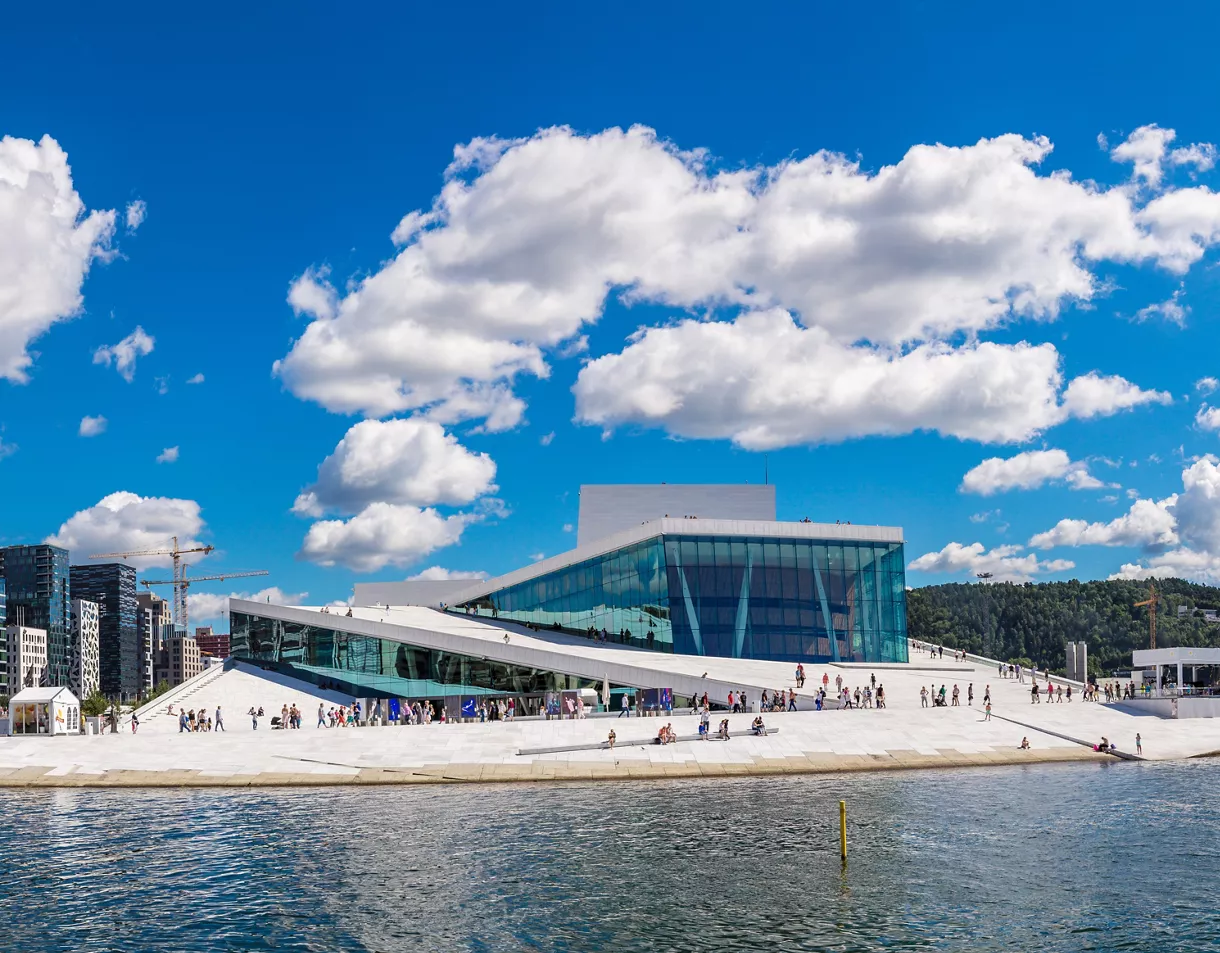
Oslo Opera House
A marble and glass structure designed to resemble a glacier emerging from the water. Visitors can walk on the sloping roof for an elevated vantage point.
Walk to the roof edge at sunset for city skyline views.
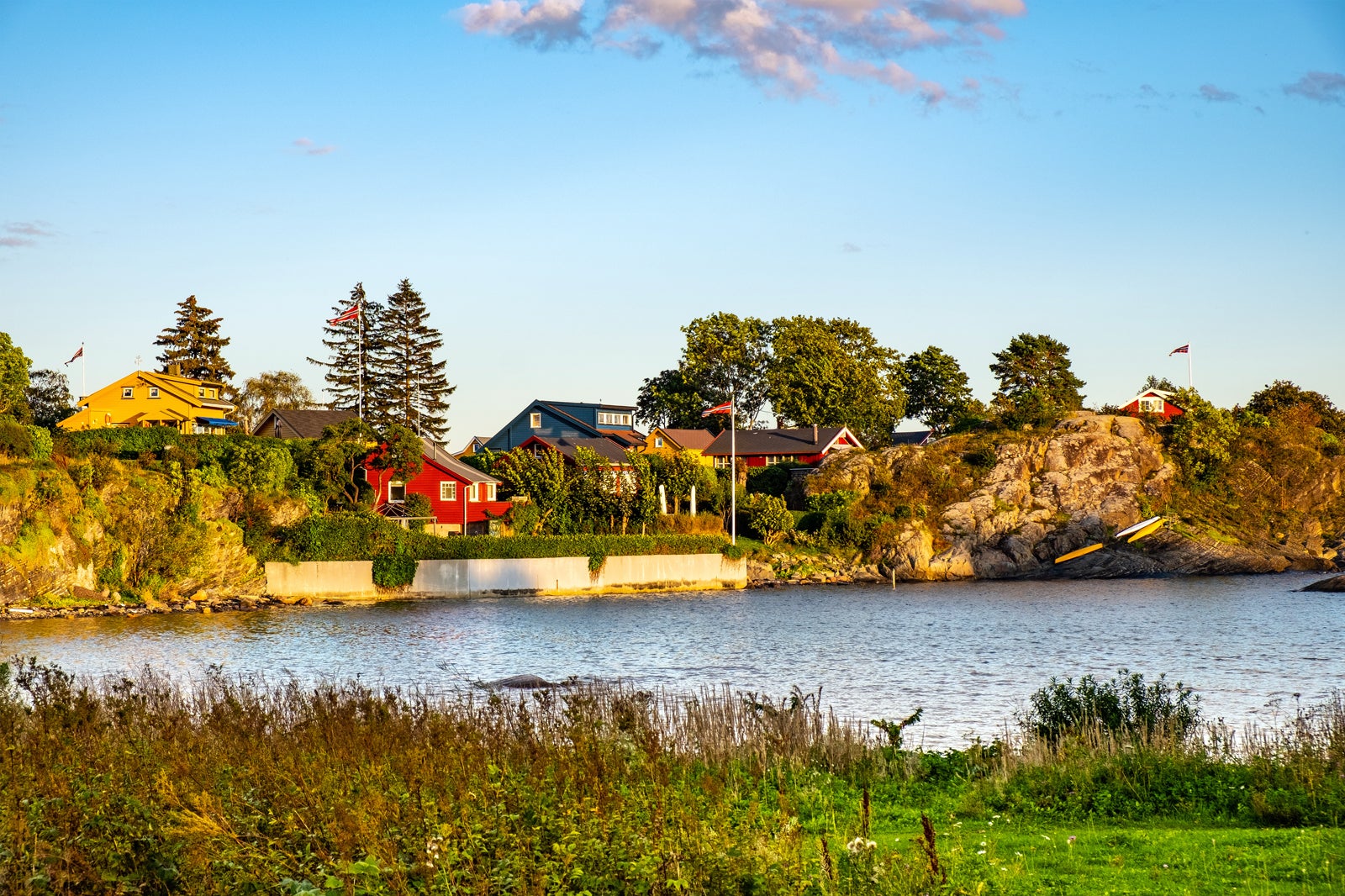
The Islands of the Inner Fjord
A group of islands including Gressholmen, Lindøya, and Bleikøya, known for their traditional wooden summer cabins. These areas provide insight into local recreational fjord life.
Bring a camera to capture the contrast of colorful cabins.
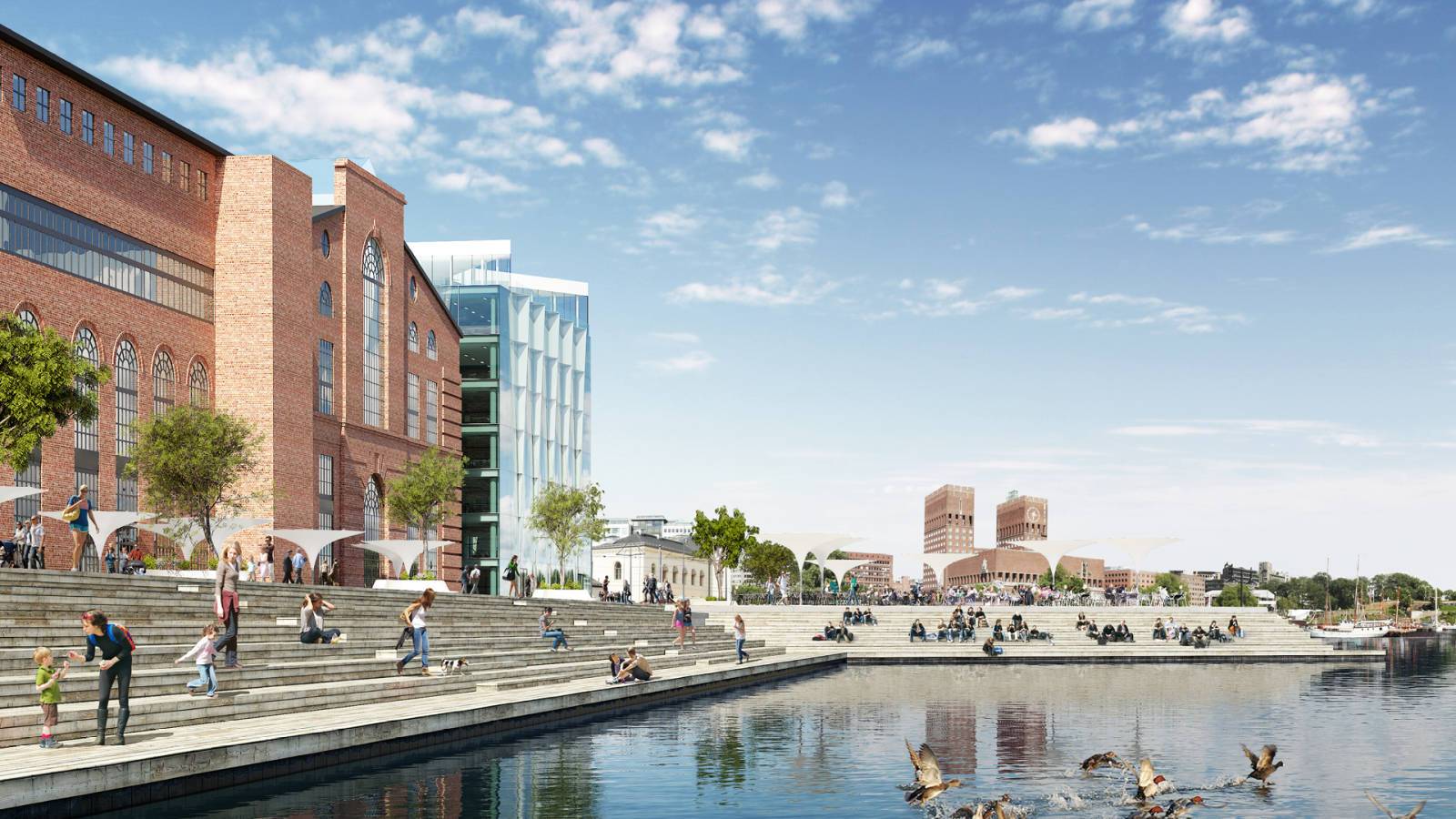
Aker Brygge
A modernized waterfront district characterized by industrial architecture repurposed into dining and cultural spaces. This area serves as a primary hub for maritime transit.
Visit the promenade during daylight hours to see incoming ferries.
Is Oslo Worth Visiting: Sights Near the Oslo Fjord
The Oslo Fjord serves as a central hub, allowing travelers to easily connect fjord explorations with the city's most significant cultural and historical landmarks. These nearby sites provide a logical extension to a water-based excursion.
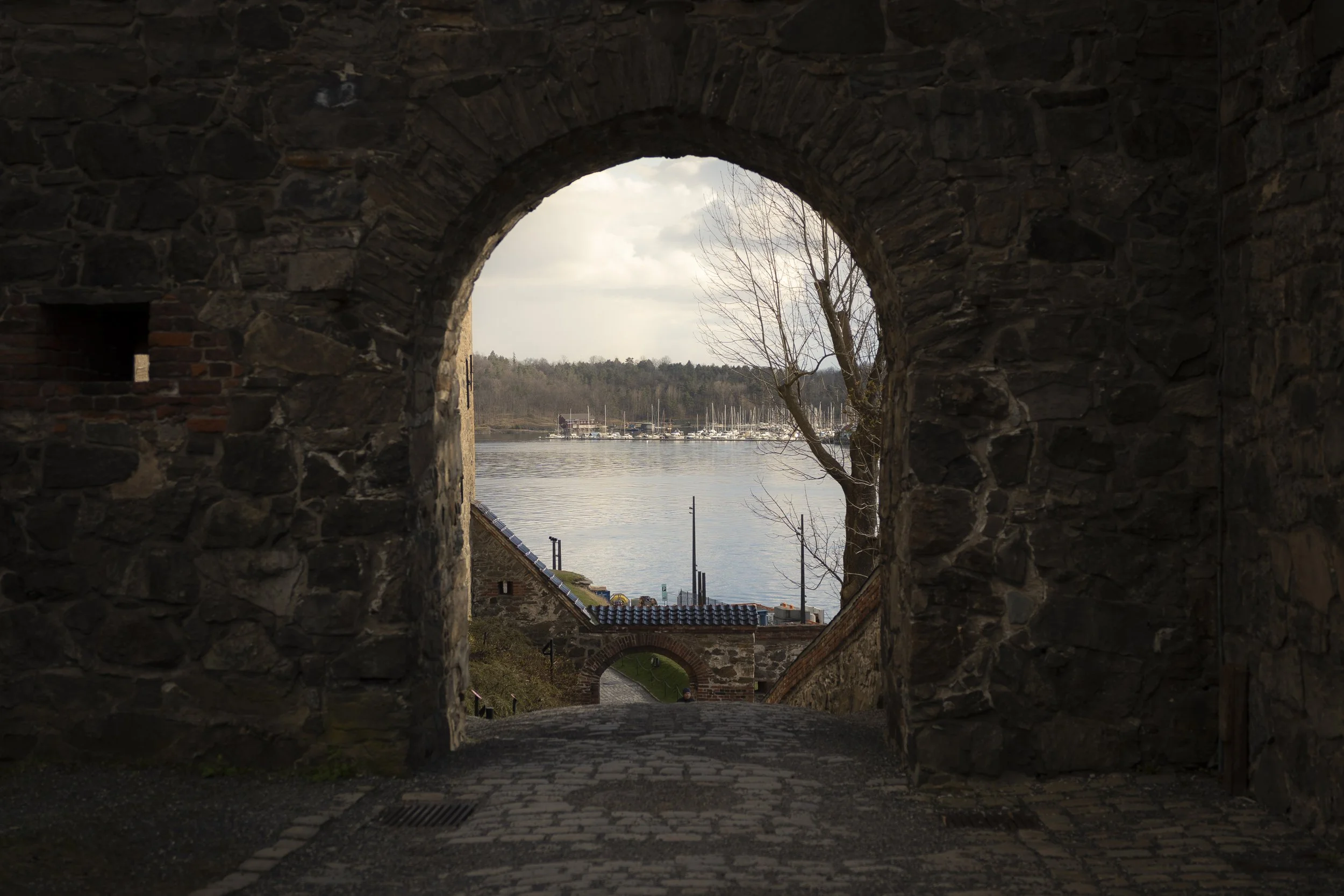
Akershus Fortress
This medieval castle overlooks the water and offers historical context to the maritime importance of the fjord area.
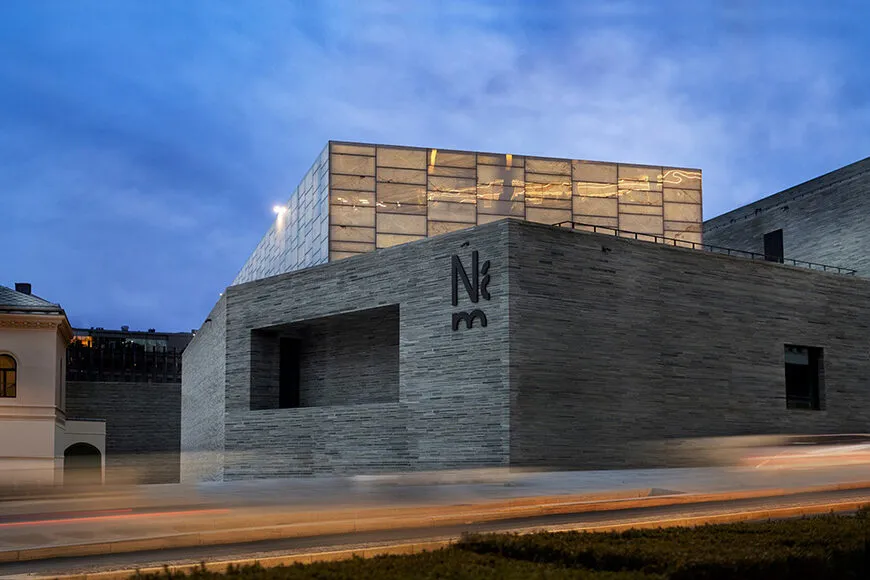
National Museum
Located near the harbor, this facility houses extensive collections of Norwegian art and design that complement a day of sightseeing.
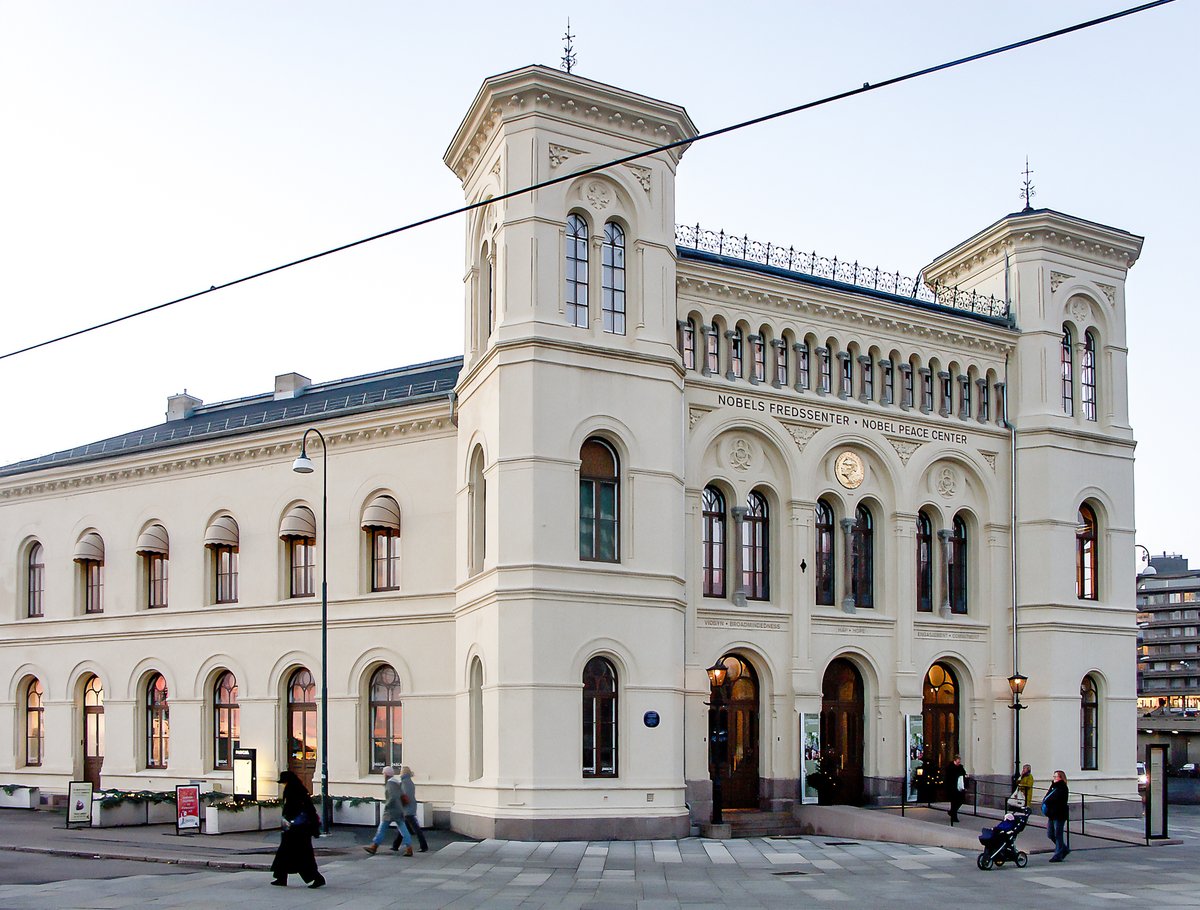
Nobel Peace Center
Situated at the old western railway station, this center provides thematic insight into global peace efforts and is adjacent to the pier.
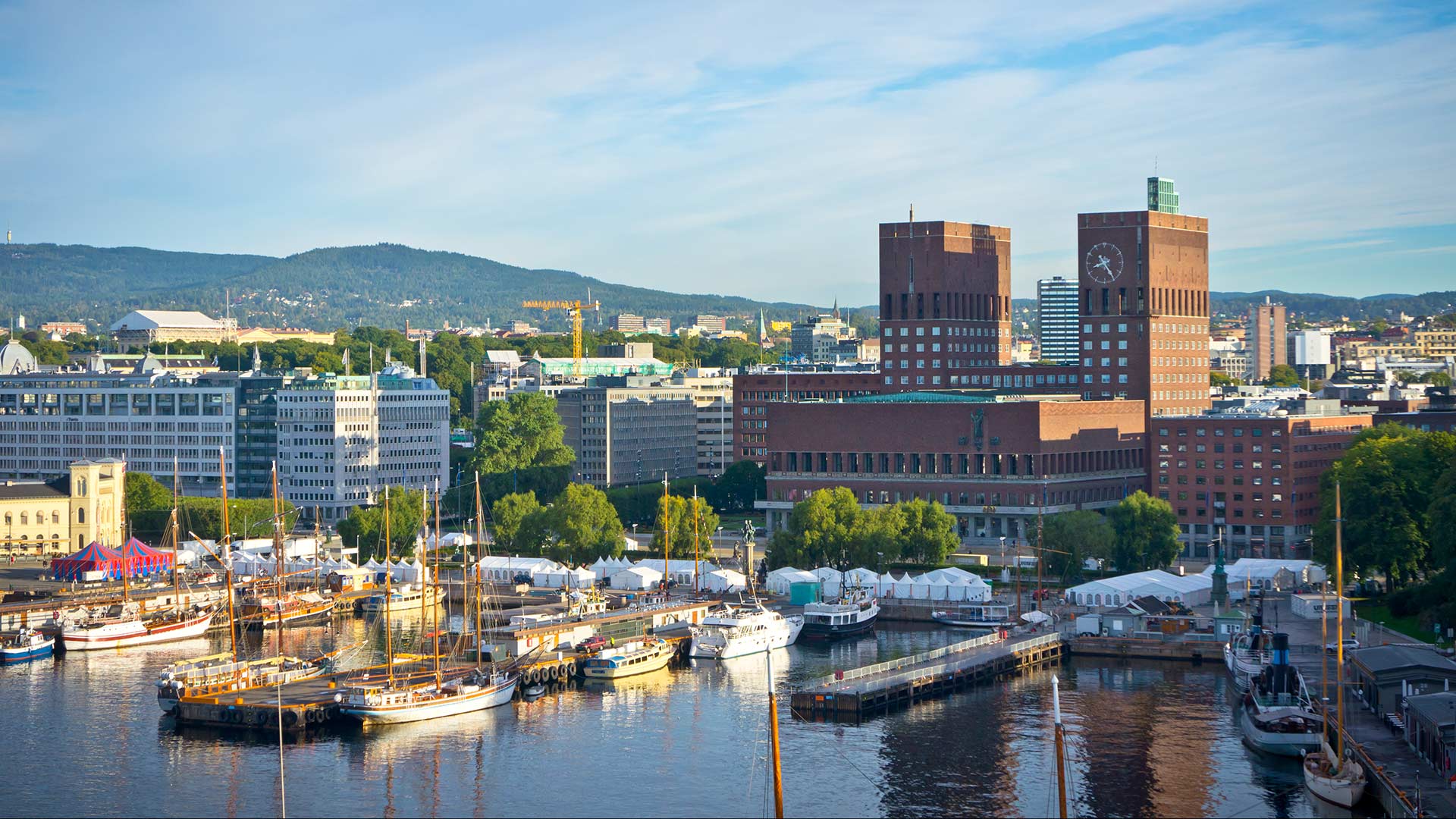
Oslo City Hall
Famous for its architecture and the Nobel Peace Prize ceremony, this landmark is located directly on the waterfront and serves as a navigation point.