1 hr 30 min
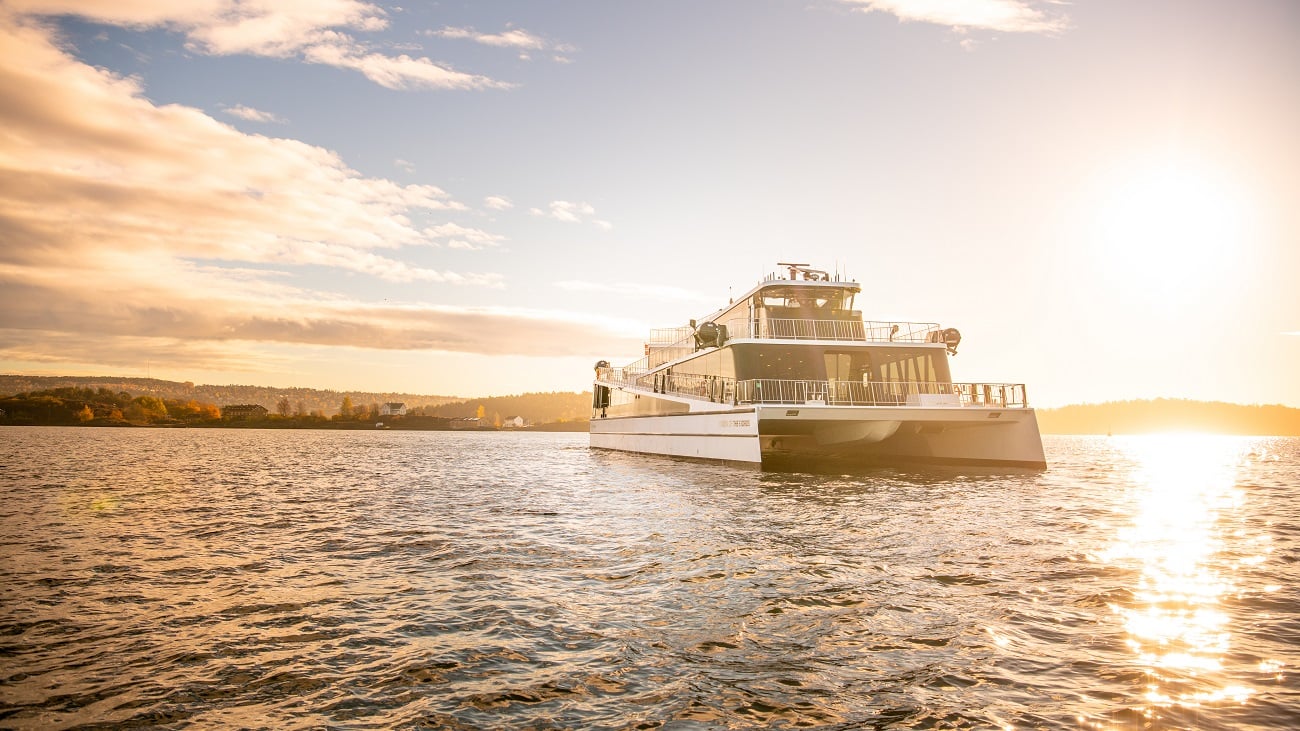
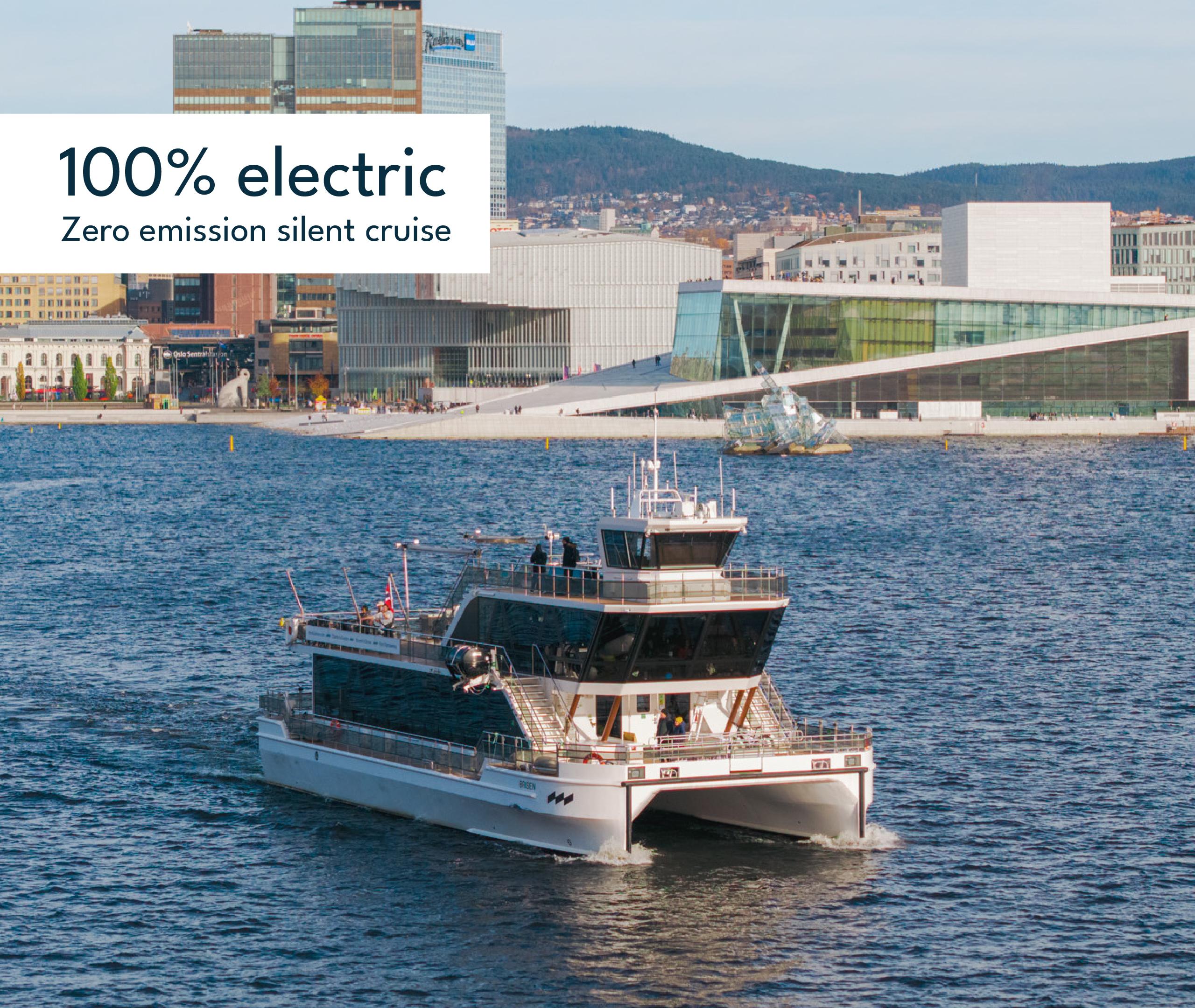
Oslo Fjord Electric Boat Cruise with Audio Guide
- Expert local guide
- Small group
- Skip-the-line access
- Free cancellation
Oslo Boat Trips — Electric & Sailing Fjord Cruises
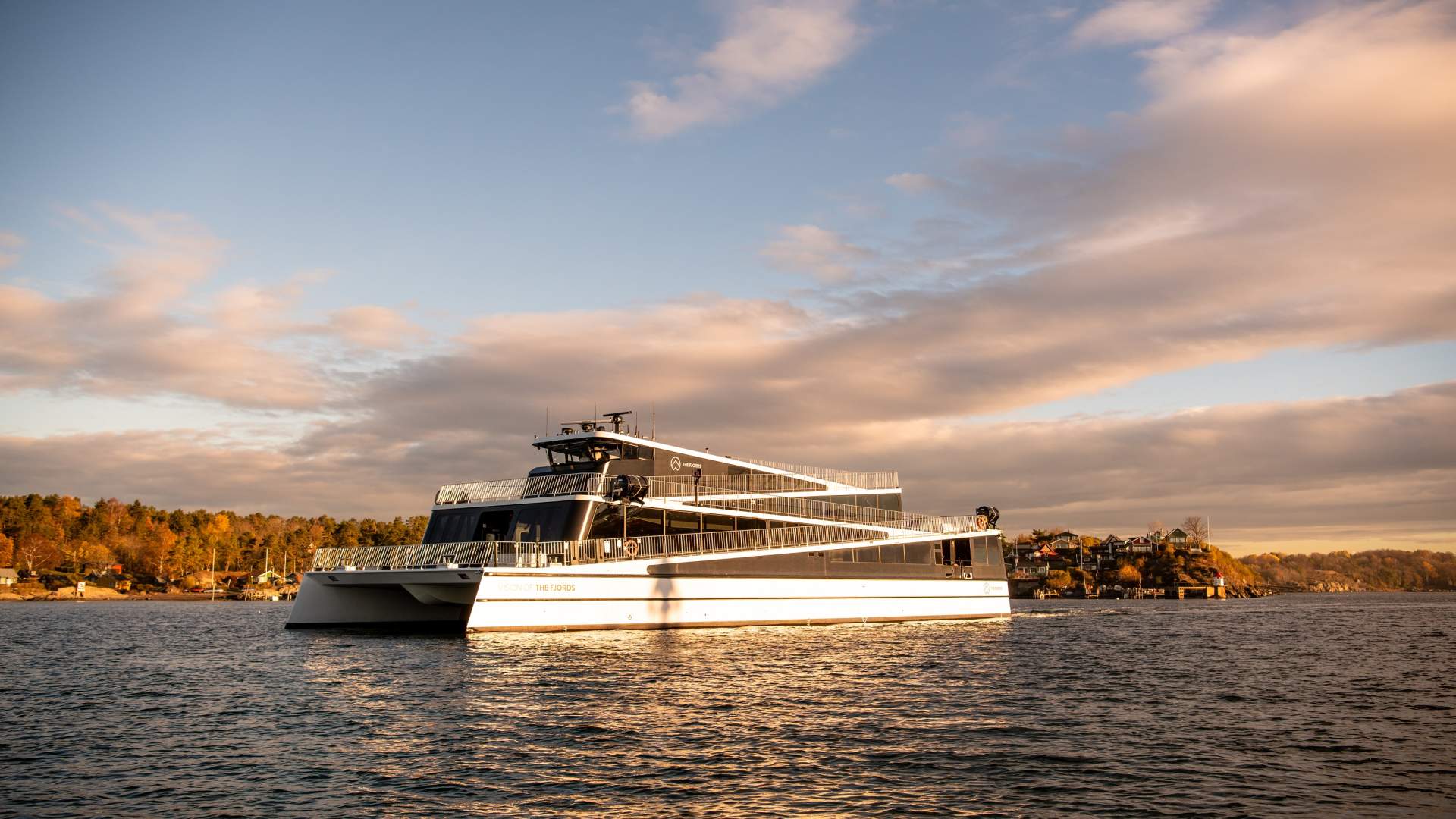
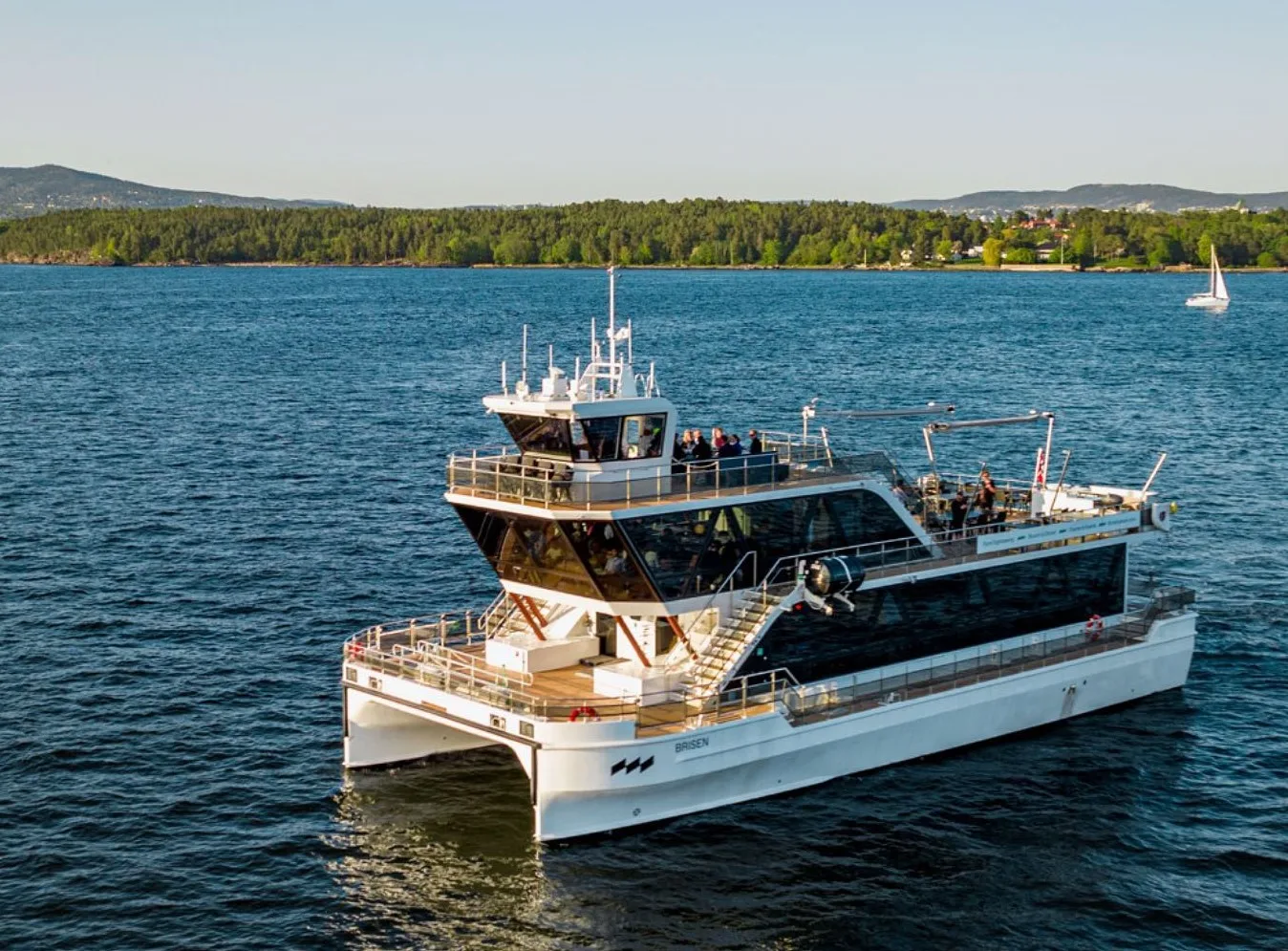
Navigate island-dotted waters by electric vessel, timber hull threading the inner fjord
Compare fares, pick the fit — all bookings are mobile-voucher and eligible for free cancellation where shown.
1 hr 30 min
2 hr
2 hr
Selecting the right oslo boat trips experience depends on your preference for a straightforward fjord sightseeing tour or a flexible combination pass. These official oslo boat trips tours offer different ways to enjoy the scenic waterfront of the capital.
|
Top pick Standard Fjord Cruise Sightseeing only |
Fjord Combo Ticket Cruise + Bus access | |
|---|---|---|
| Duration | 2 hours | 2 hours + 24h bus |
| Included areas | Oslo Fjord islands and landmarks | Fjord tour plus city bus loop |
| Price | 444 NOK | Varies by vendor |
| Access method | Pre-booked departure | Flexible start time |
| Best for | first-timers | sightseers |
| See tickets & prices |
Verdict: Choose the standard fjord sightseeing cruise for a dedicated voyage, or select the combo if you prefer flexible oslo boat trips tickets.
Worth it for scenery seekers, skippable for thrill-seekers
What you're paying for is relaxed access to viewpoints you can't reach on foot: forested islands, waterfront villas, and the occasional seal colony without the commitment of a full-day expedition. The wooden sailing boat and island-hopping options add tactile variety—wind-powered movement or beach landings—but the core experience remains passive observation. Value calculation is straightforward: if you want Oslo's maritime context explained while seated, the audio-guided electric tours justify the entry fee. If you prefer active exploration, the island-hopping adventure transforms the boat into transport rather than destination, better aligning cost with engagement. Premium dining cruises exist but aren't the baseline—the sightseeing tier gives you the fjord itself without inflated per-hour costs. Skip it if you're chasing adrenaline or have limited time for low-intensity activities.
Bottom line: The oslo boat trips tours work best when you value narrated scenery over hands-on activity—book the island-hopping variant if you need movement between the views.
These options complement each other; most visitors who do both call the guided cruise the more relaxing way to see city landmarks, while local ferries are the budget-friendly island-hopping choice.
|
Top pick Oslo boat trips |
Public island ferries | |
|---|---|---|
| Focus | Panoramic sightseeing and audio history | |
| Vessel type | Sightseeing ship or electric catamaran | |
| Commentary | Included audio guide available | |
| Duration | 2 hours | |
| Price | 444 NOK (Standard adult) | |
| Booking | Online recommended | |
| Best for | First-time visitors wanting comfort | |
| See tickets & prices |
Verdict: Choose the professional oslo boat trips tours for a structured experience, or take the public ferry if you prefer oslo boat trips tickets that offer total flexibility for your island-hopping adventure.
Hand-picked experiences loved by thousands of travelers
3 hours 15 minutes
Free Cancellation
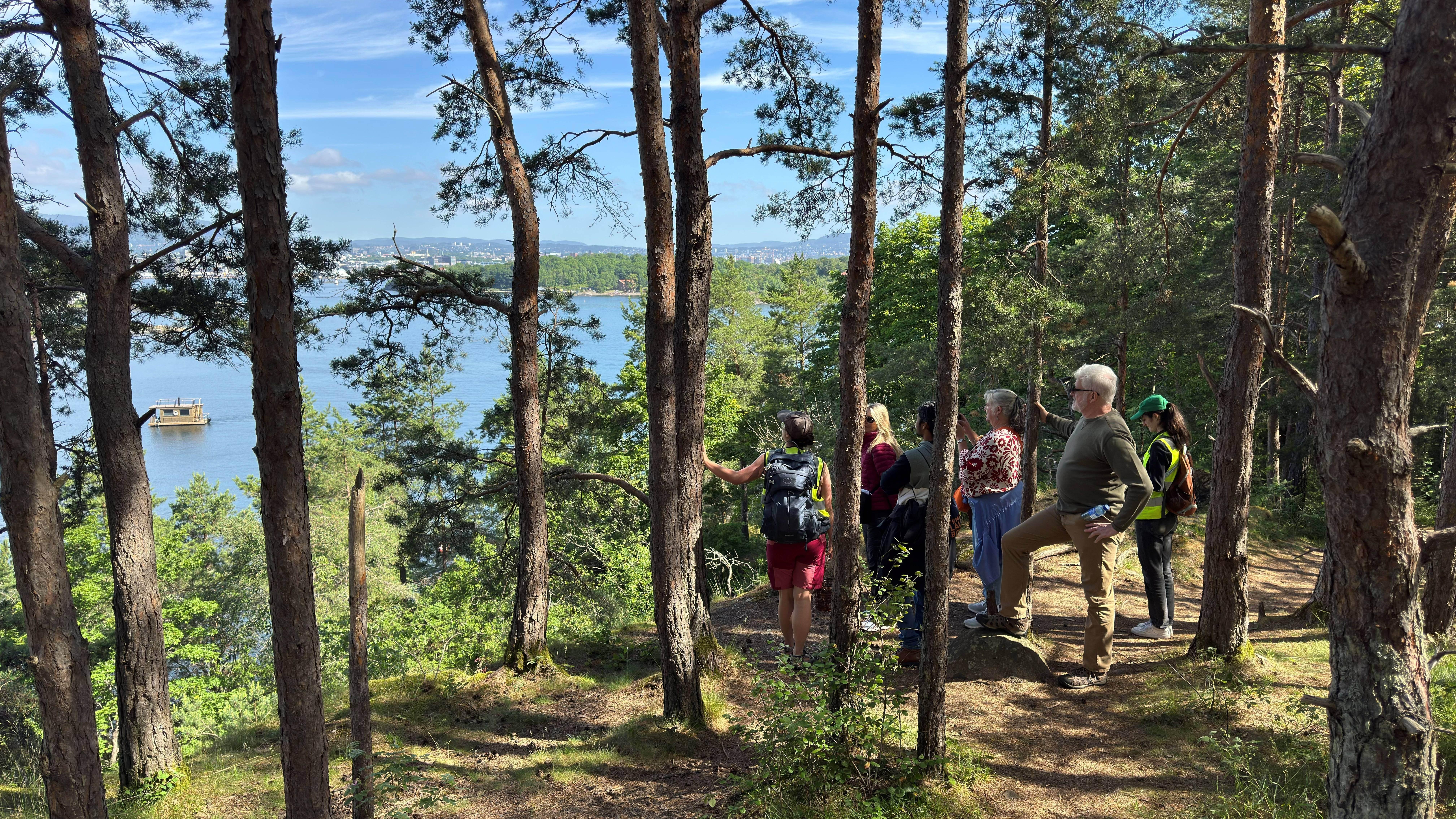
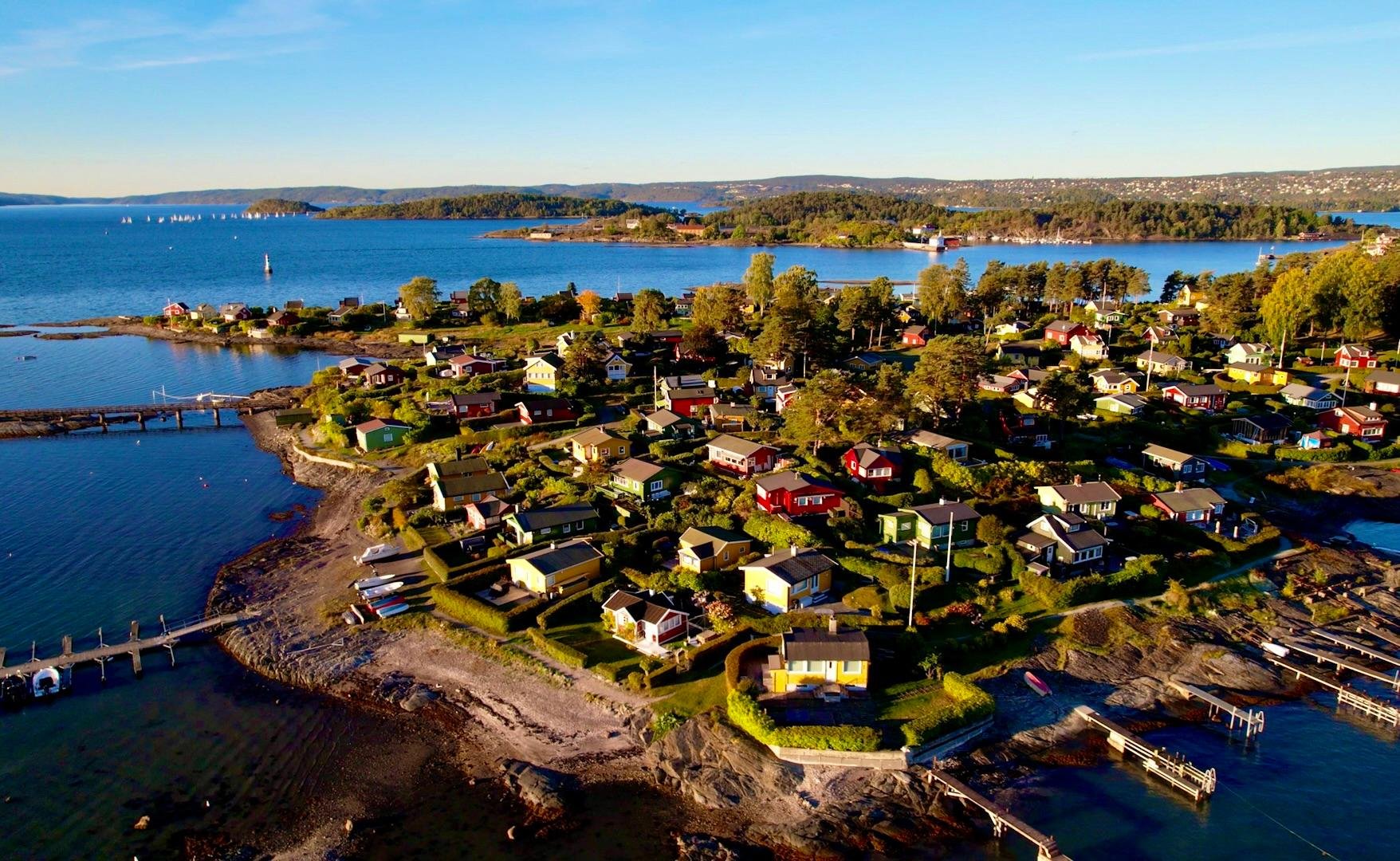
Cruise electric ferries across Oslofjord to explore two scenic islands with coastal trails and cabin villages
2 hours
Free Cancellation
Two-hour eco-friendly fjord tour with expert commentary, panoramic views, and multiple outdoor decks
3 hours
Free Cancellation
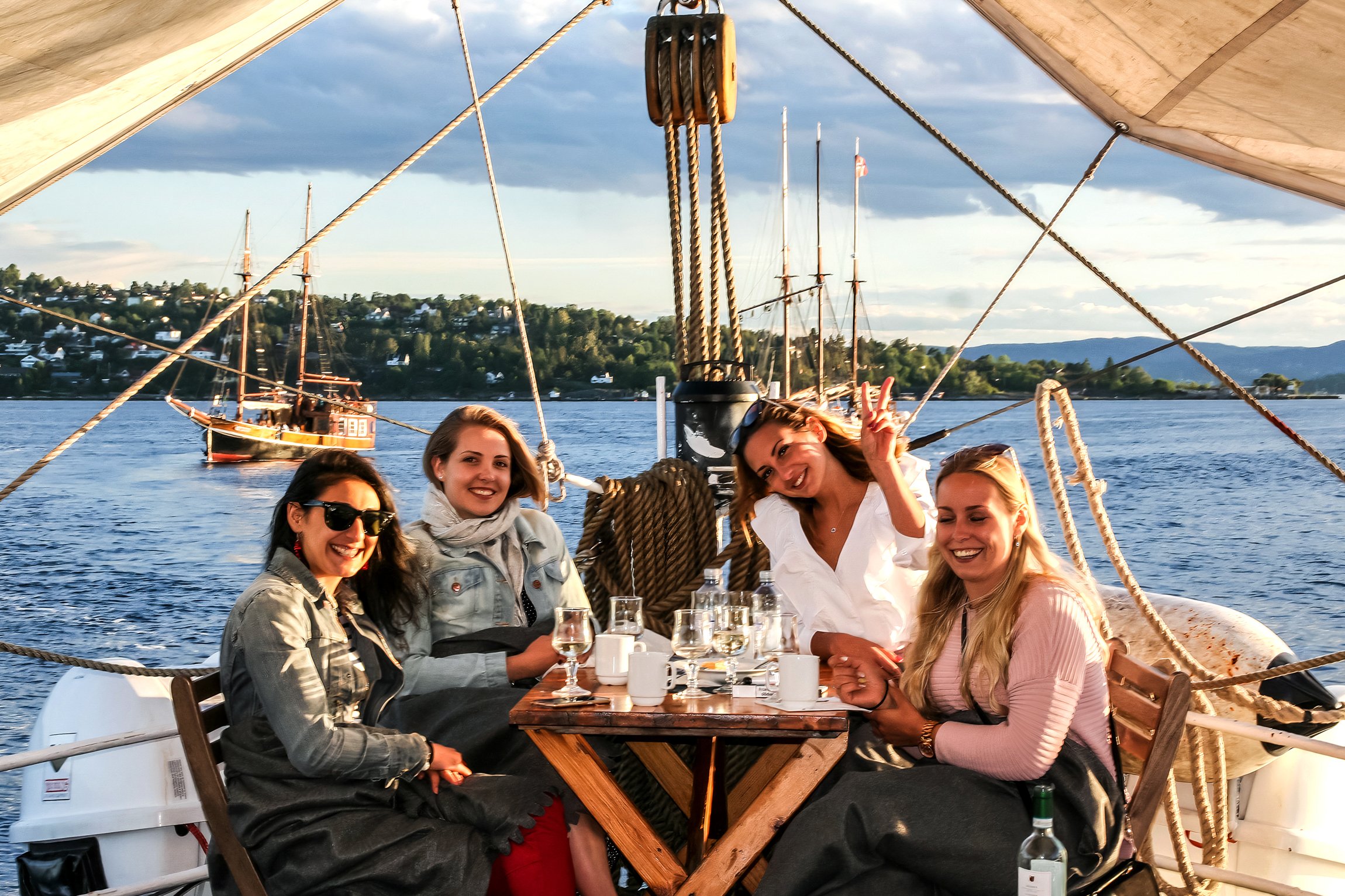
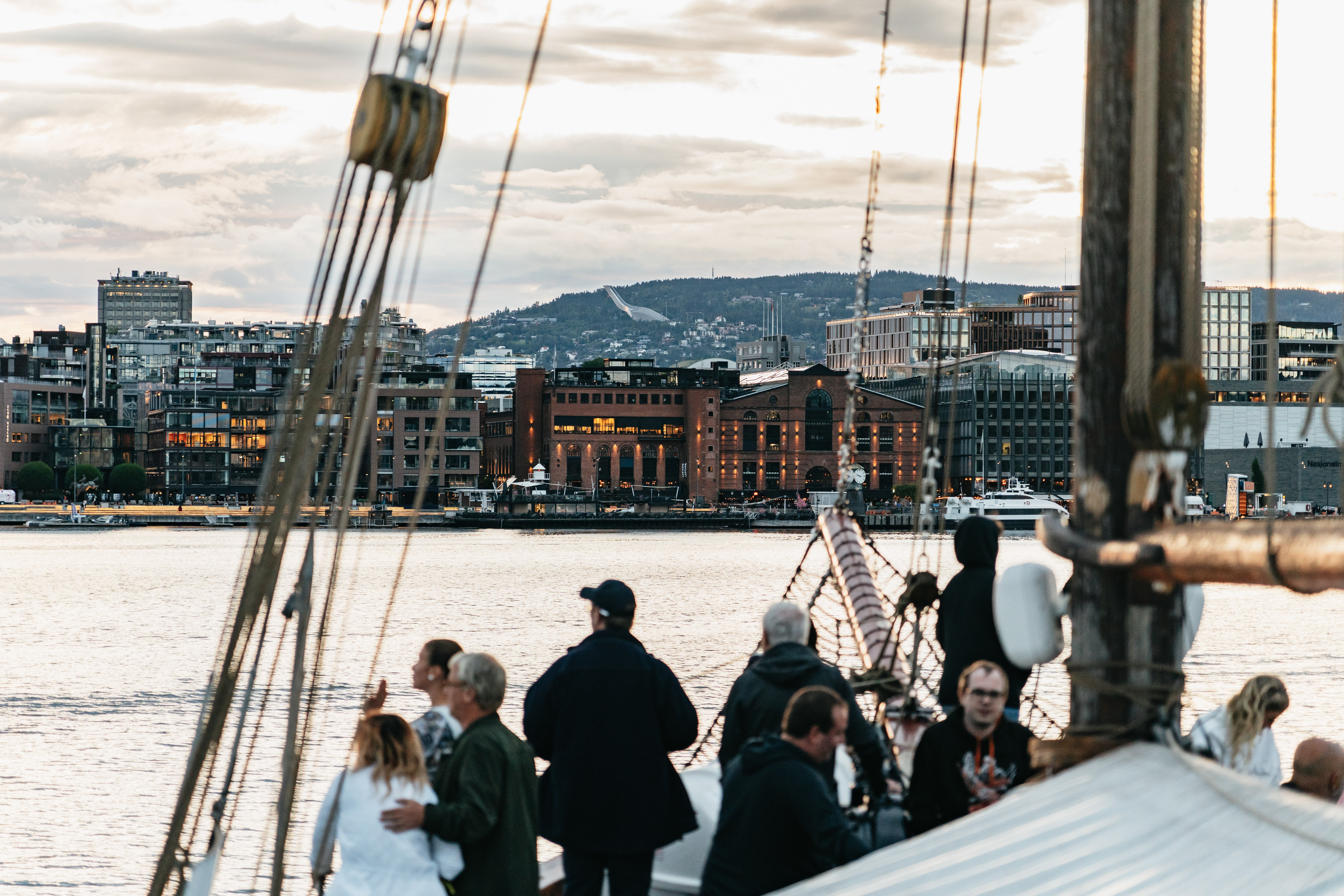
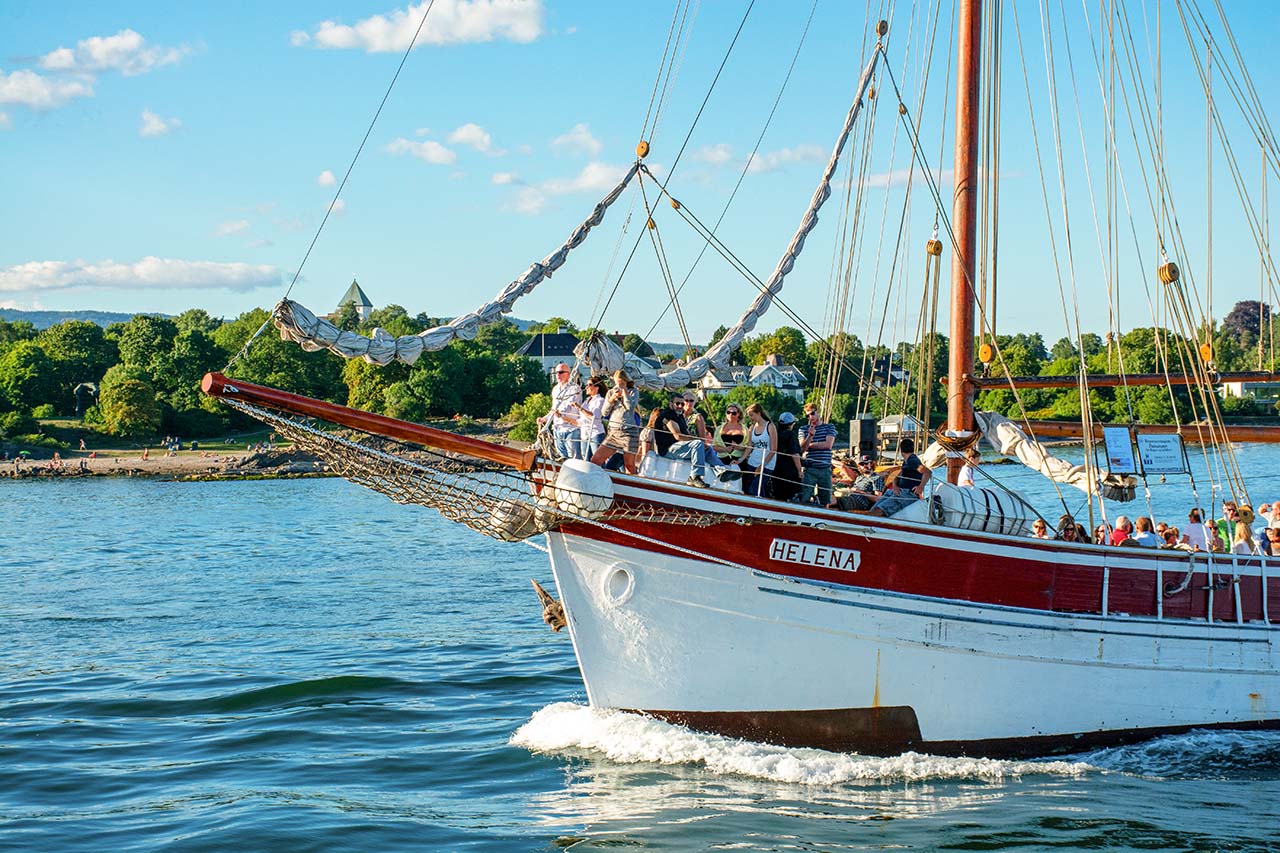
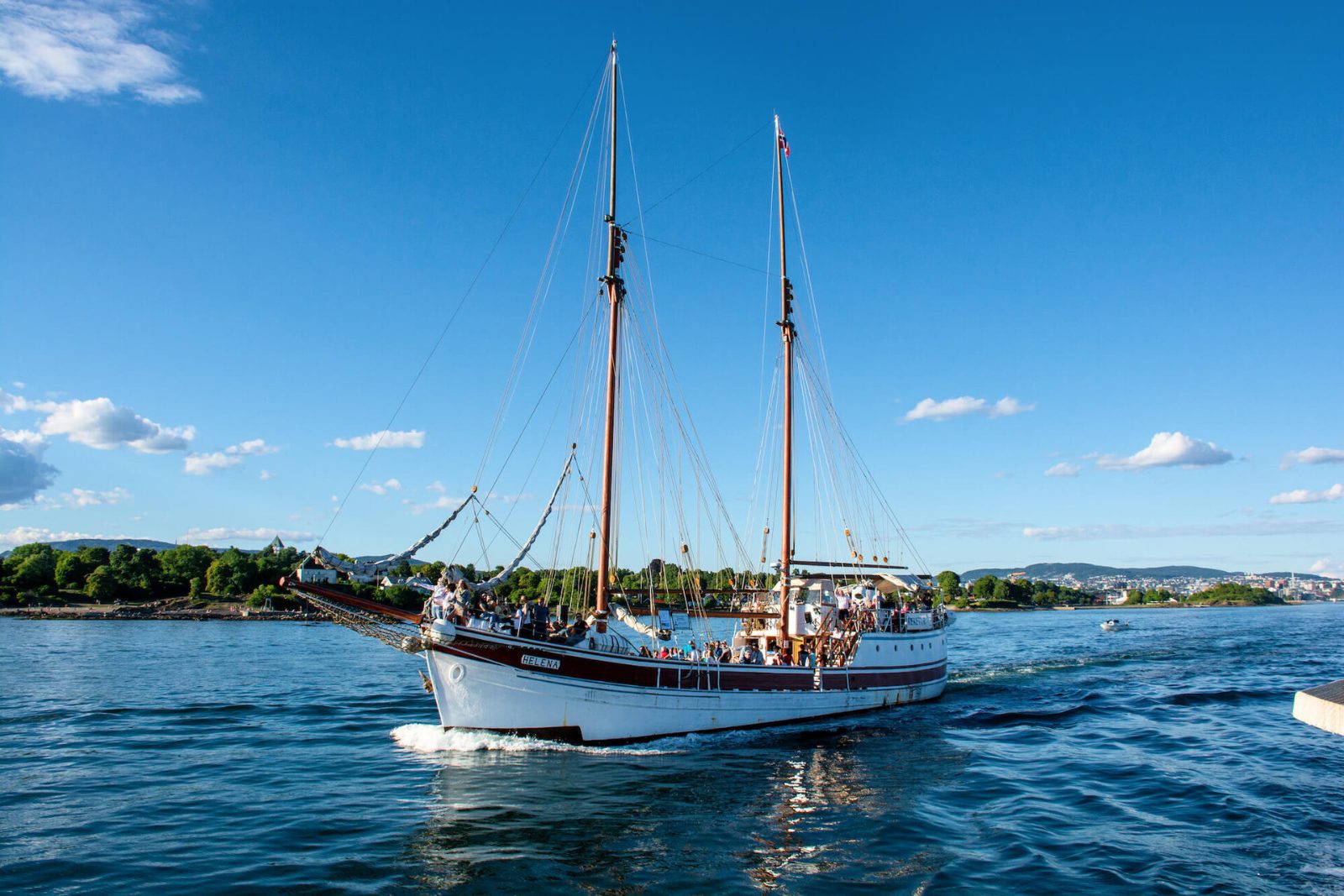
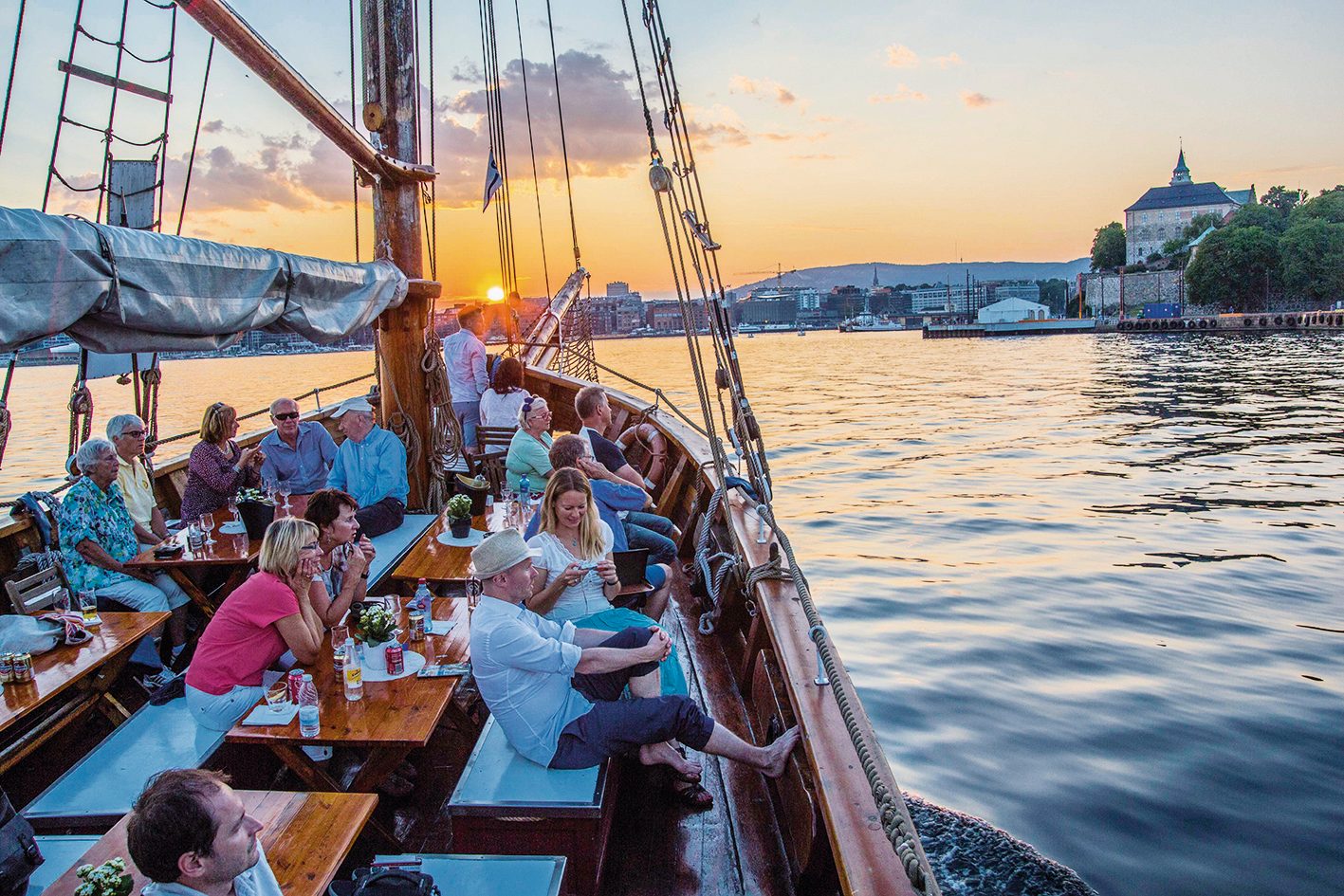
Sail the Oslofjord aboard a restored wooden ship while enjoying fresh Norwegian shrimp and scenic waterways
4 hours 30 minutes
Free Cancellation
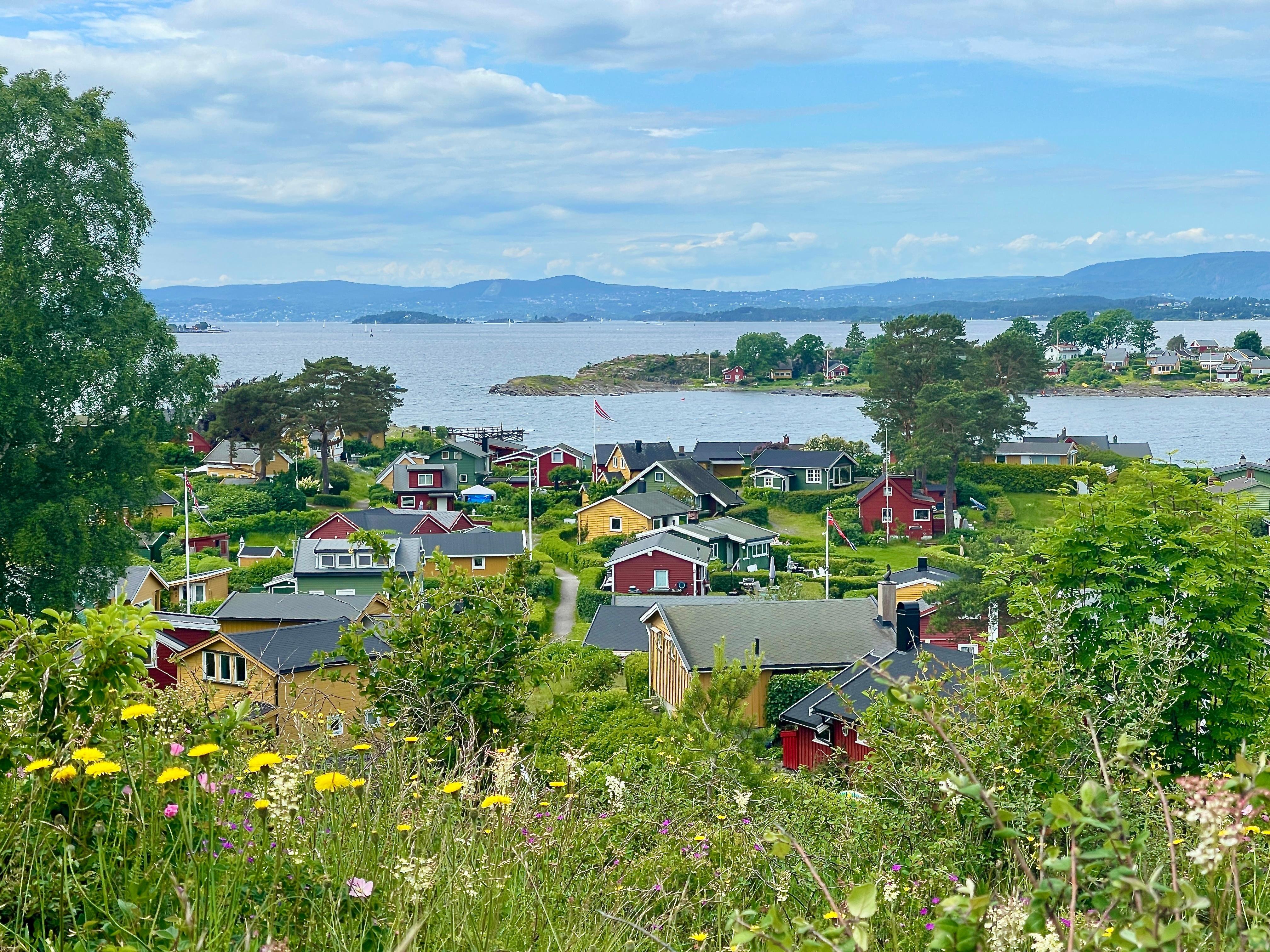
Discover Oslo's hidden island gems by ferry: medieval ruins, coastal trails, and charming summer cottages
6 hours
Free Cancellation
Six-hour voyage exploring five unique islands with medieval ruins, beaches, and Norwegian coastal charm
3 hours
Free Cancellation
Journey through Oslo's fjord islands by ferry, exploring medieval ruins and Norwegian summer culture
2 hours
Free Cancellation
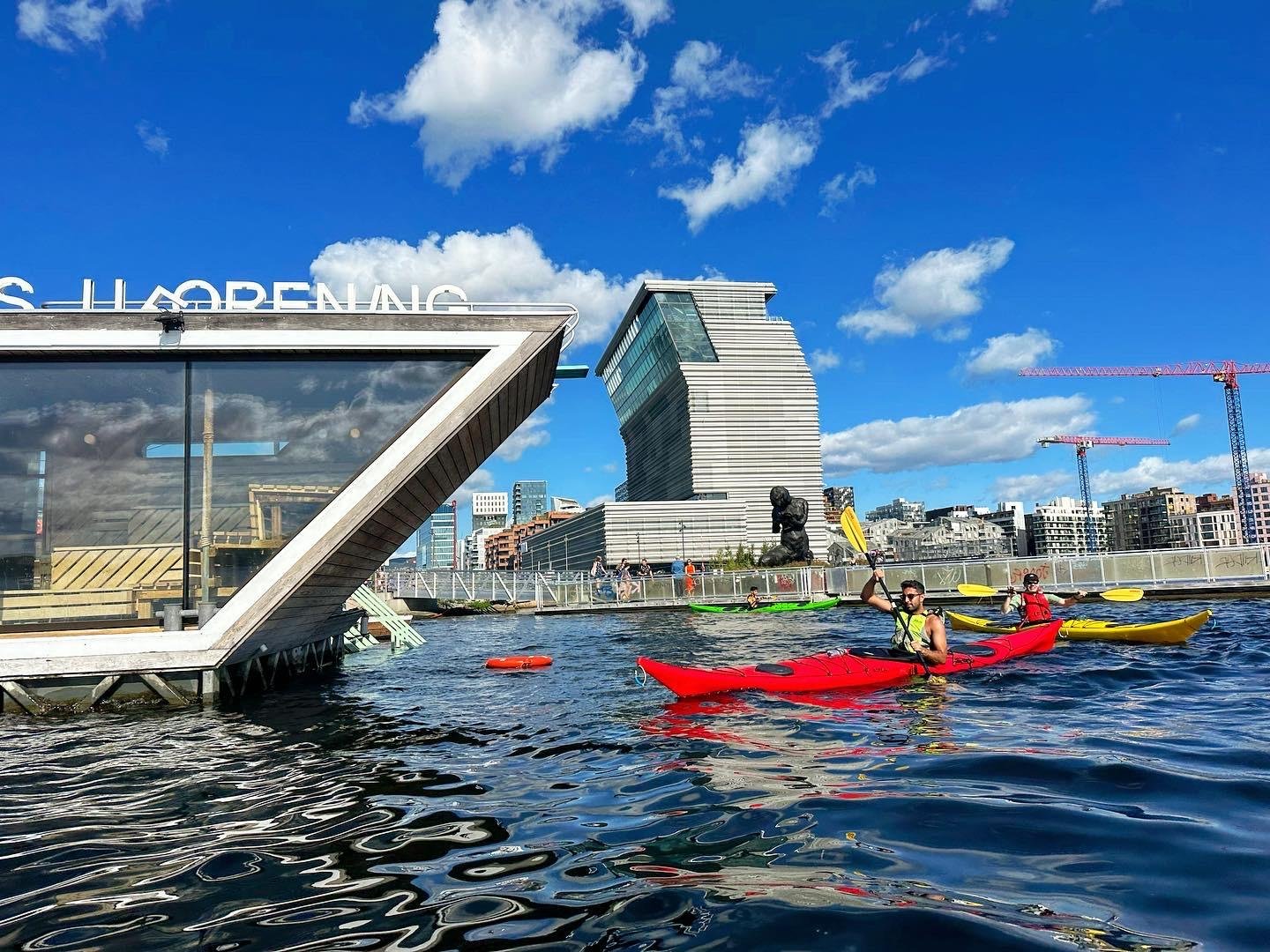
Paddle past the Opera House, Akershus Fortress and waterfront museums on this scenic 2-hour kayaking experience
3 hours
Free Cancellation
Discover Oslo's island treasures by ferry: medieval ruins, colorful cottages, and stunning fjord views
Known for its monastery ruins dating back to 1147. This island remains a popular stop for those on Oslo boat trips.
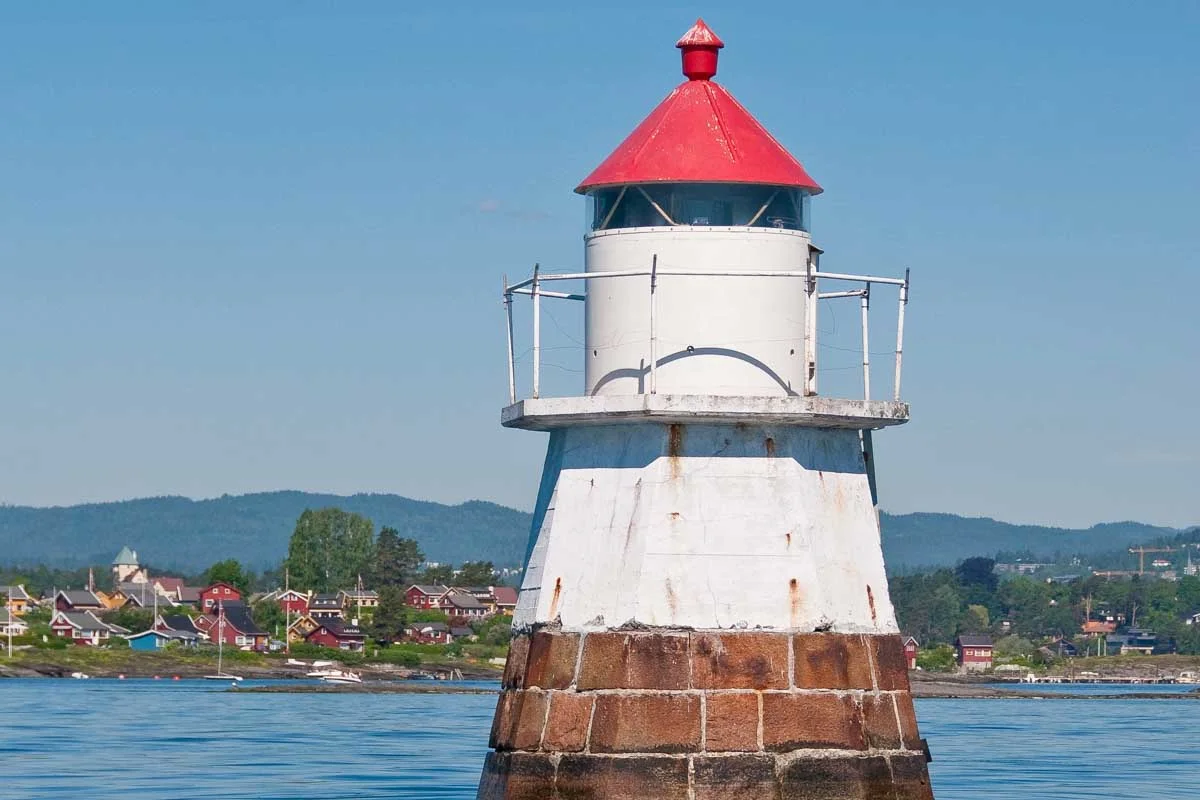
A historic navigation point marking the entrance to the inner harbor. It provides a distinct maritime backdrop.
Home to a rich variety of birdlife and protected coastal flora. It is a vital ecological zone in the fjord.
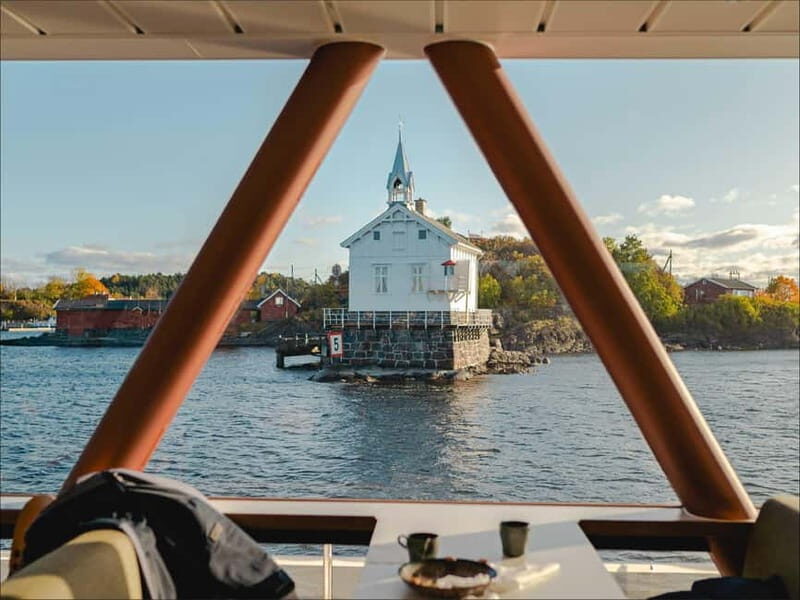
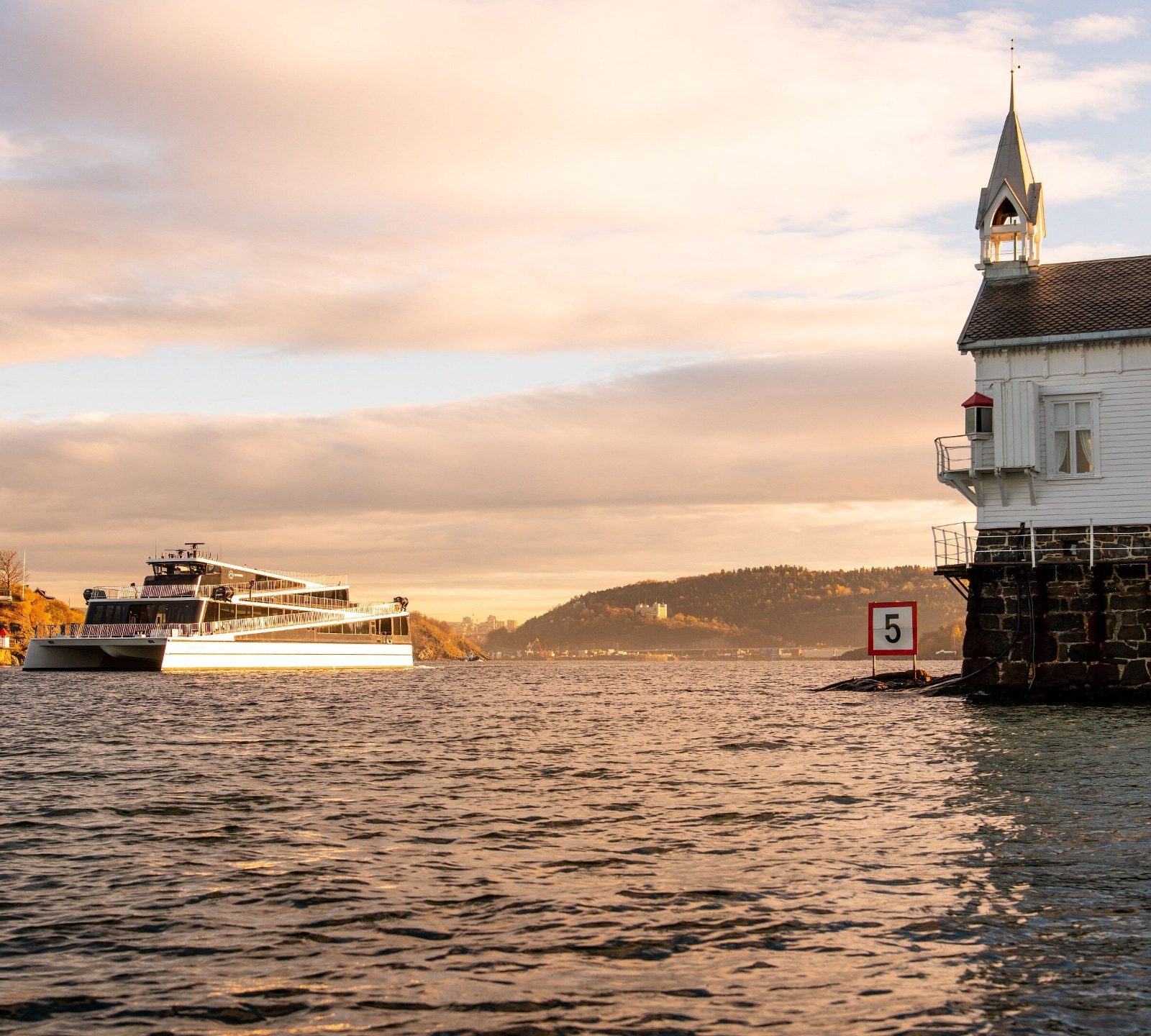
An iconic red lighthouse located on a small skerry. It has guided vessels since 1892.
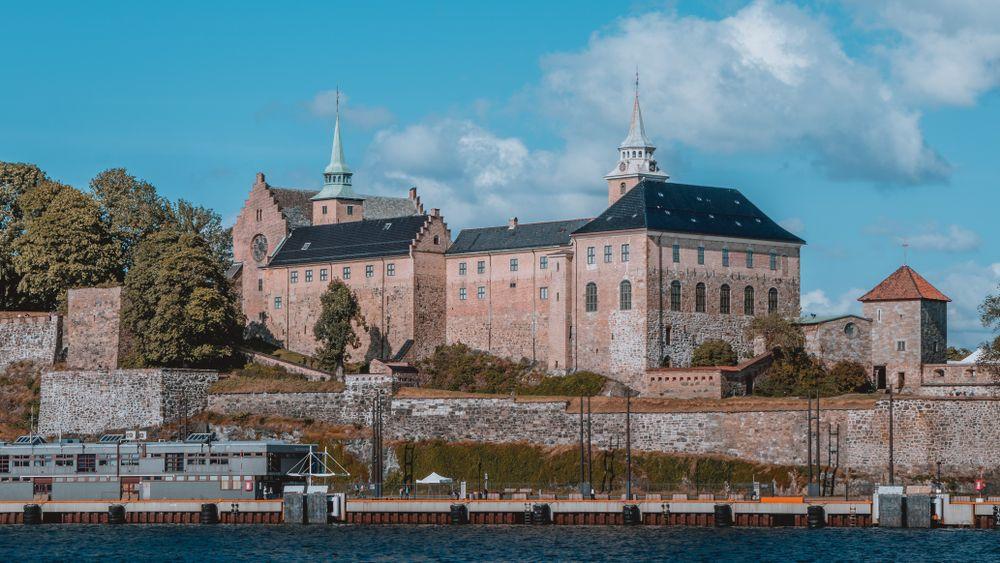
Provides a unique vantage point of the medieval walls from the water. It highlights the city's maritime history.
All the details about your upcoming adventure in one place
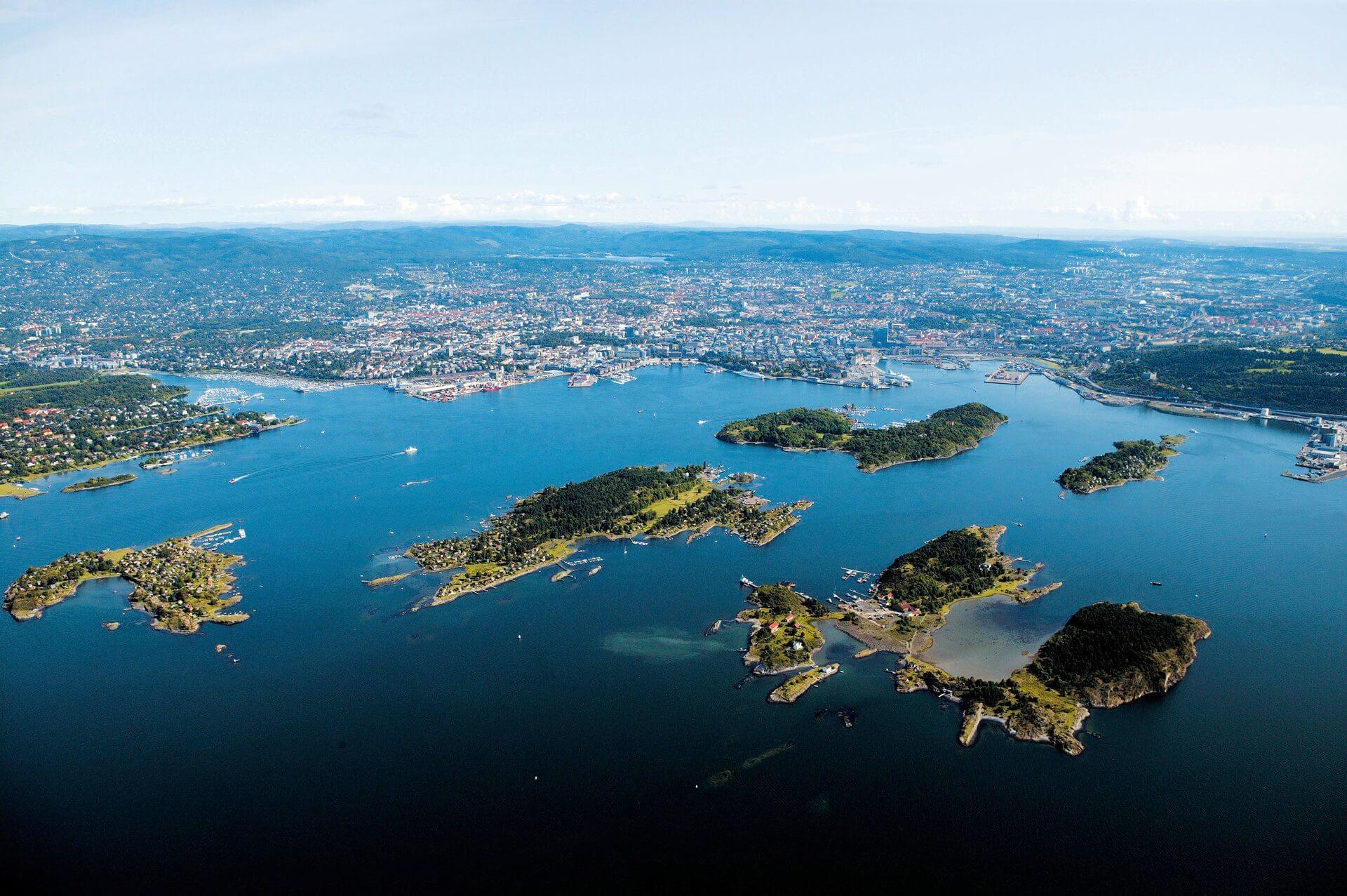
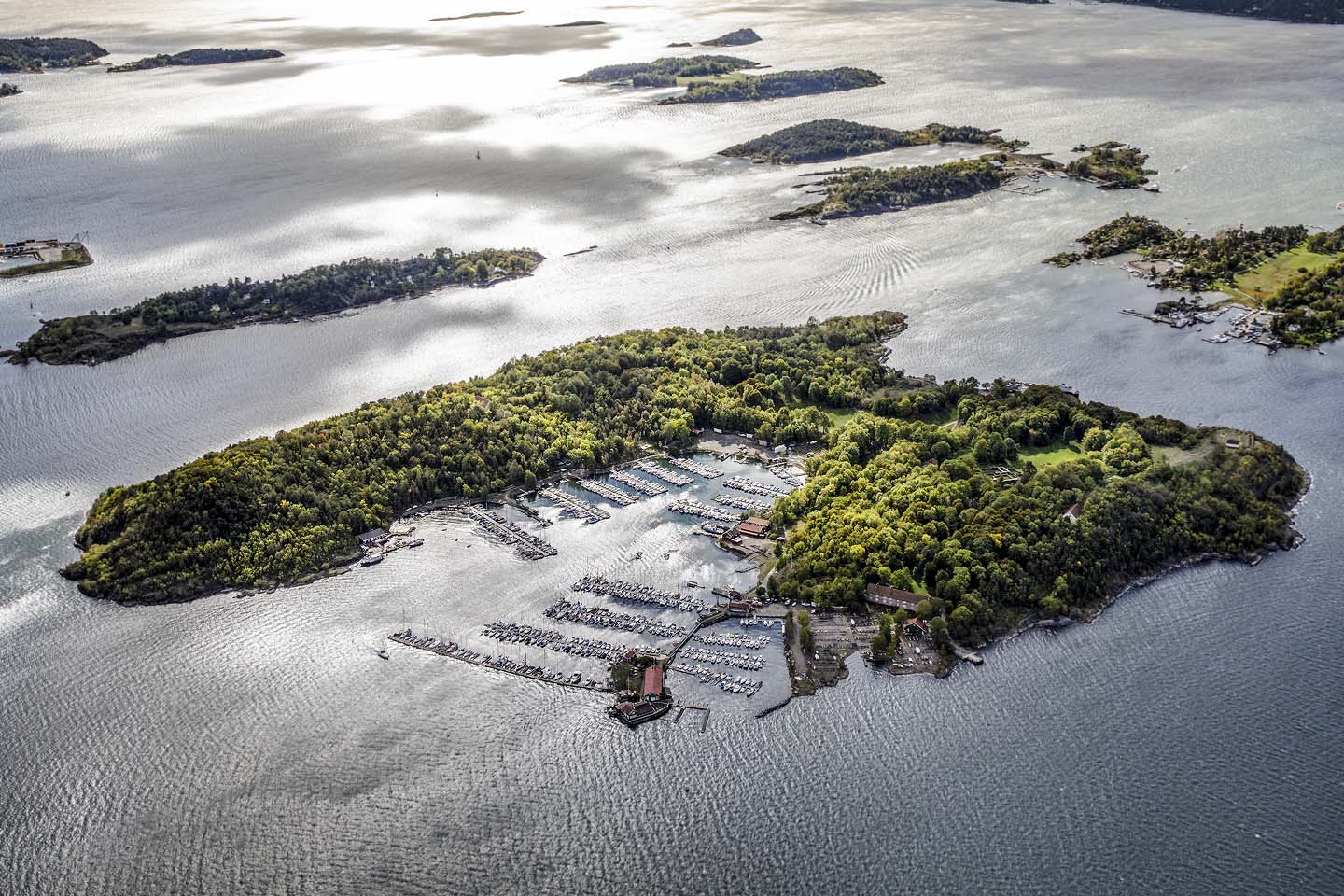
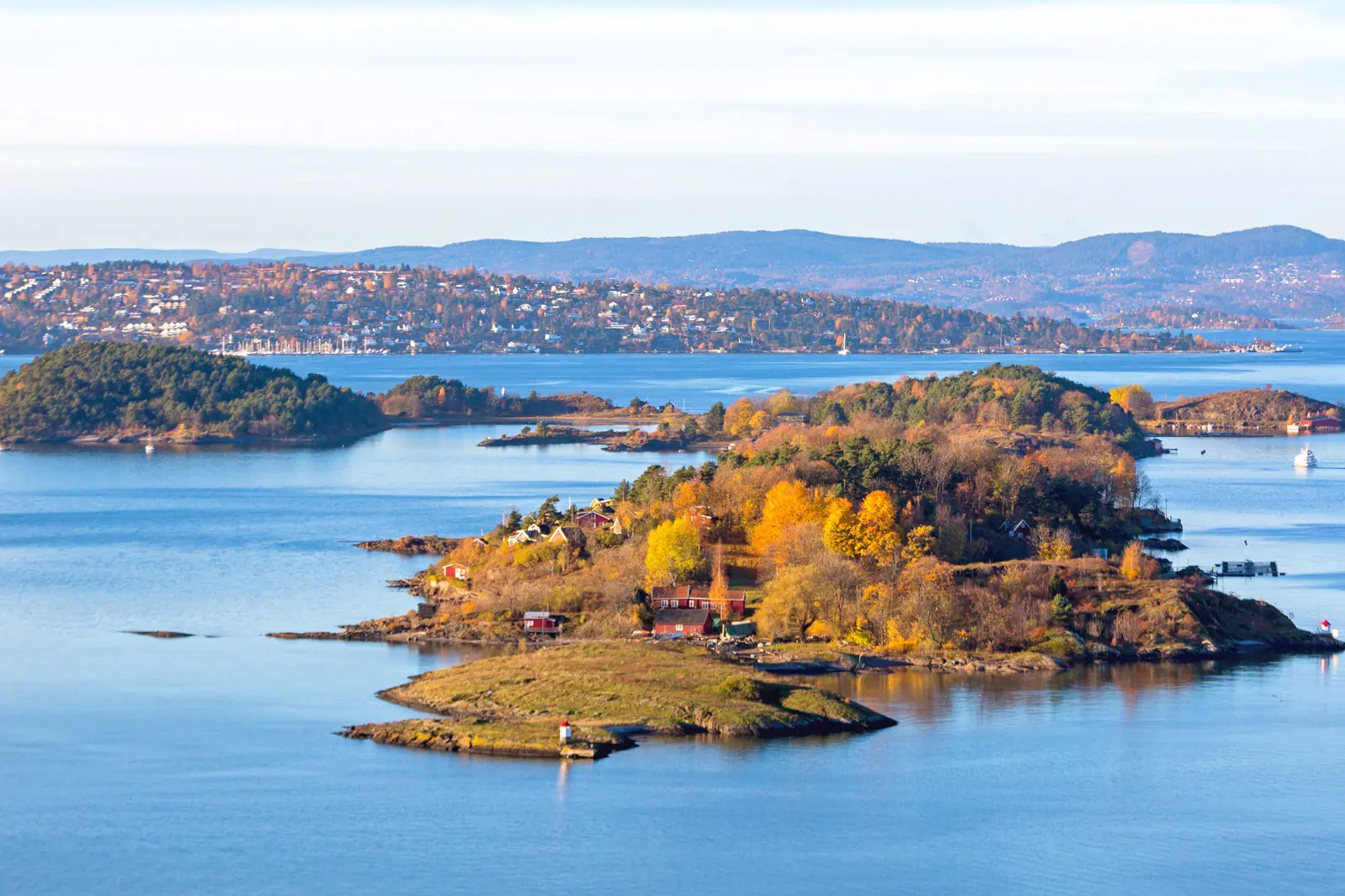
The Oslo Fjord stretches 118 kilometres from the Skagerrak Strait to the capital's harbour, its branching channels threading past 40 inhabited islands and more than 300 uninhabited skerries.
Commercial steamship routes dominated these waters from the 1850s until the mid-20th century, when car ferries and the Oslofjord Tunnel shifted commuter traffic inland. Today the fjord operates as both working waterway and recreational corridor, with hybrid-electric and heritage sailing vessels sharing navigation channels with cargo freighters and private yachts.
The inner fjord basin holds depths of 150 to 200 metres, carved by glacial erosion during the last ice age and stabilised by post-glacial rebound that continues to lift the Scandinavian landmass at 4 millimetres per year. Limestone bedrock surfaces on the eastern shore near Nesodden, while granite dominates the western approaches past Bygdøy peninsula. Seasonal salinity shifts affect which fish species migrate through the strait: herring and mackerel move inward during spring spawning runs, while cod winter in the deeper outer channels.
Vessel traffic follows designated fairways marked by 19th-century stone cairns and automated LED beacons installed in 2018. The main shipping lane runs along the fjord's centre, leaving shallower coastal zones for leisure craft and tour operators. Electric propulsion systems, mandated for new commercial vessels operating within 1.5 kilometres of the city centre since 2024, reduce underwater noise that interferes with harbour porpoise echolocation. Wooden sailing boats, maintained under heritage registry exemptions, navigate without engine assistance during summer months when prevailing southwesterly winds provide consistent propulsion.
Island hopping routes connect Hovedøya's Cistercian monastery ruins, Langøyene's public beaches, and Gressholmen's former seaplane harbour, each accessible within 20 minutes of the city docks. Audio guide systems aboard electric vessels deliver commentary in 12 languages, synced to GPS waypoints that trigger narration as the boat passes specific landmarks.
The inner fjord basin holds depths of 150 to 200 metres, carved by glacial erosion during the last ice age.
Full refunds are provided for cancellations made within the operator's specified window. Ensure you retain your proof of purchase for the 444 NOK standard adult ticket.
Weather · crowds · average price — dots go green to amber to red as each metric rises.
Mild weather perfect for fjord sightseeing with fewer crowds.
Long daylight hours and warm temperatures for Oslo boat trips.
Cooler crisp air and beautiful changing foliage along the coast.
Cold temperatures, limited sailings; check operator schedule.
The best views are found on the open top deck.
Weather changes quickly on the water. Bring a wind-resistant jacket for your Oslo boat trips tour.
Purchase Oslo boat trips tickets online in advance to confirm your spot. Prices are standard at 444 NOK for adults.
The sun reflects strongly off the water. Wear sunglasses even on overcast days.
Avoid using flash when photographing the coastline to minimize glare for others.
The waters of the Oslo Fjord have carried vessels for over a millennium, but organized passenger excursions emerged only in the mid-nineteenth century. In 1837, the first steam-powered paddlewheel boats began scheduled routes between Oslo's harbor—then Christiania—and the fjord's island communities. These early services were functional, transporting laborers and goods, yet wealthier residents quickly discovered the scenic appeal of the archipelago's forested islets and rocky shores. By the 1880s, dedicated leisure vessels appeared, and the term båttur—boat trip—entered common usage among the capital's growing middle class. The interwar decades brought modernization and consolidation. In 1924, the municipal authorities established Bymiljøetaten, a public agency tasked with managing waterfront access, and by 1931, fixed departure piers along Rådhuskaia streamlined embarkation for oslo boat trips tours. The outbreak of war in 1940 halted recreational traffic entirely; German occupying forces requisitioned most civilian craft, and the fjord became a militarized zone. Reconstruction began in 1947, when the first post-war sightseeing sailings resumed from Aker Brygge, though the wooden fleet had aged beyond repair. The 1960s ushered in fiberglass hulls and diesel engines, reducing operating costs and expanding seasonal windows. A pivotal regulatory shift occurred in 1983, when Norway's maritime authority mandated life-vest provisions and crew licensing for all commercial passenger vessels, raising safety standards and professionalizing the industry. The 444 NOK standard fare reflects both inflation and the sector's investment in low-emission propulsion—a response to the 2019 municipal climate action plan that set binding targets for carbon-neutral harbor operations by 2030.
Steam paddlewheel boats inaugurate scheduled fjord routes from Christiania harbor, primarily serving island communities.
Dedicated leisure vessels emerge as urban residents begin recreational archipelago excursions.
Municipal authorities establish fixed departure piers at Rådhuskaia, standardizing embarkation points.
German occupation halts civilian boat traffic; most vessels requisitioned for military use.
Fiberglass hulls and diesel engines replace aging wooden fleet, extending operational seasons.
Norway mandates life-vest provisions and crew licensing for all commercial passenger boats.
Oslo's climate action plan sets 2030 target for carbon-neutral harbor operations, prompting fleet electrification.
Position yourself at the rear of the upper deck to capture the receding coastline and the wake against the blue water. This spot offers a wide, unobstructed horizon for those taking oslo boat trips.
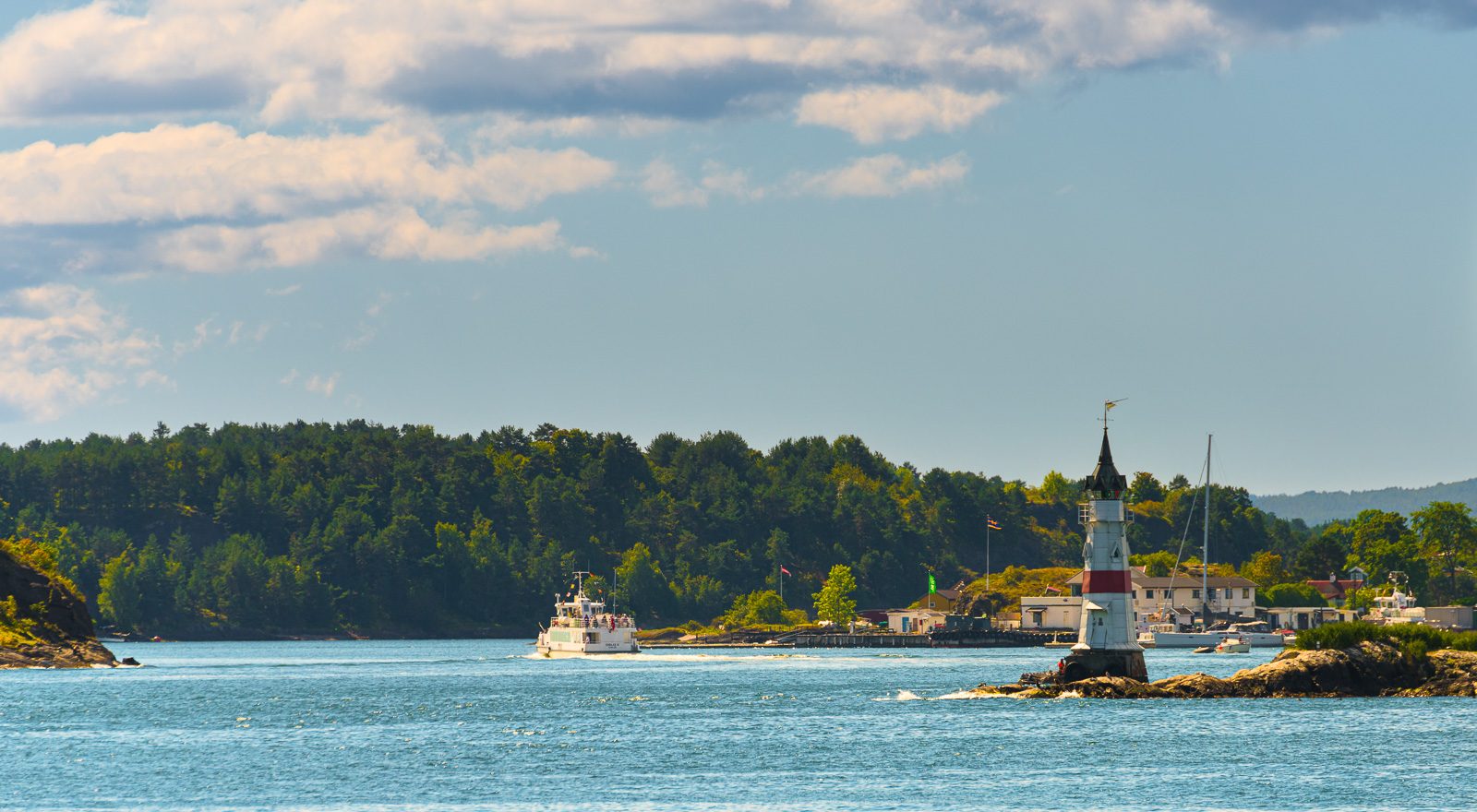
The starboard side provides direct sightlines to the various lighthouses and small islands passing by. Secure a position here early if you want to frame your oslo boat trips tours with local maritime navigation markers.
Standing at the very front of the vessel allows for a powerful leading line composition of the fjord ahead. It is the preferred location for visitors wanting to purchase oslo boat trips tickets and capture the approaching landmarks.
The large panoramic windows offer a sheltered perspective of the rocky outcrops and passing vessels. This vantage point is useful when the weather turns and you want to maintain high-quality images during your oslo boat trips tour.
Exploring the water is a highlight for many families, making oslo boat trips a practical way to see the coastline without tiring out little legs. These fjord sightseeing tours provide a calm environment where children can watch the scenery from the safety of the deck.
Your choice of oslo boat trips tours should prioritize vessels with indoor cabin access for easier storage.;Facilities
Exploring the waterfront area offers convenient access to harbor-side cafes and restaurants before you begin your fjord sightseeing tour.
Located at Aker Brygge, this venue offers classic seafood and meat dishes with a view of the harbor. It is a popular spot for a sit-down meal before securing your oslo boat trips tickets.
Everything you need to know for your journey
Yes, you may bring small snacks on board. Ensure all packaging is removed after your Oslo boat trips experience.
Cancellations must be processed according to the official operator policy. Retain your 444 NOK ticket proof for any requests.
Yes, children are welcome on all Oslo boat trips. Please supervise them closely near the water.
Photography is permitted and encouraged during your time on the water. Tripods are not allowed on board.
Functionalist building hosting the Nobel Peace Prize ceremony.
Medieval castle and fortress guarding the harbor.
Former railway station showcasing peace prize laureates.
Features an extensive collection of Norwegian and international art.
Historic hotel near the waterfront.
Tall hotel with views of the fjord.
Wide range of hostels and guesthouses.
Join thousands of happy travelers who have discovered this incredible experience
Book Your Experience Now