
Quick answer
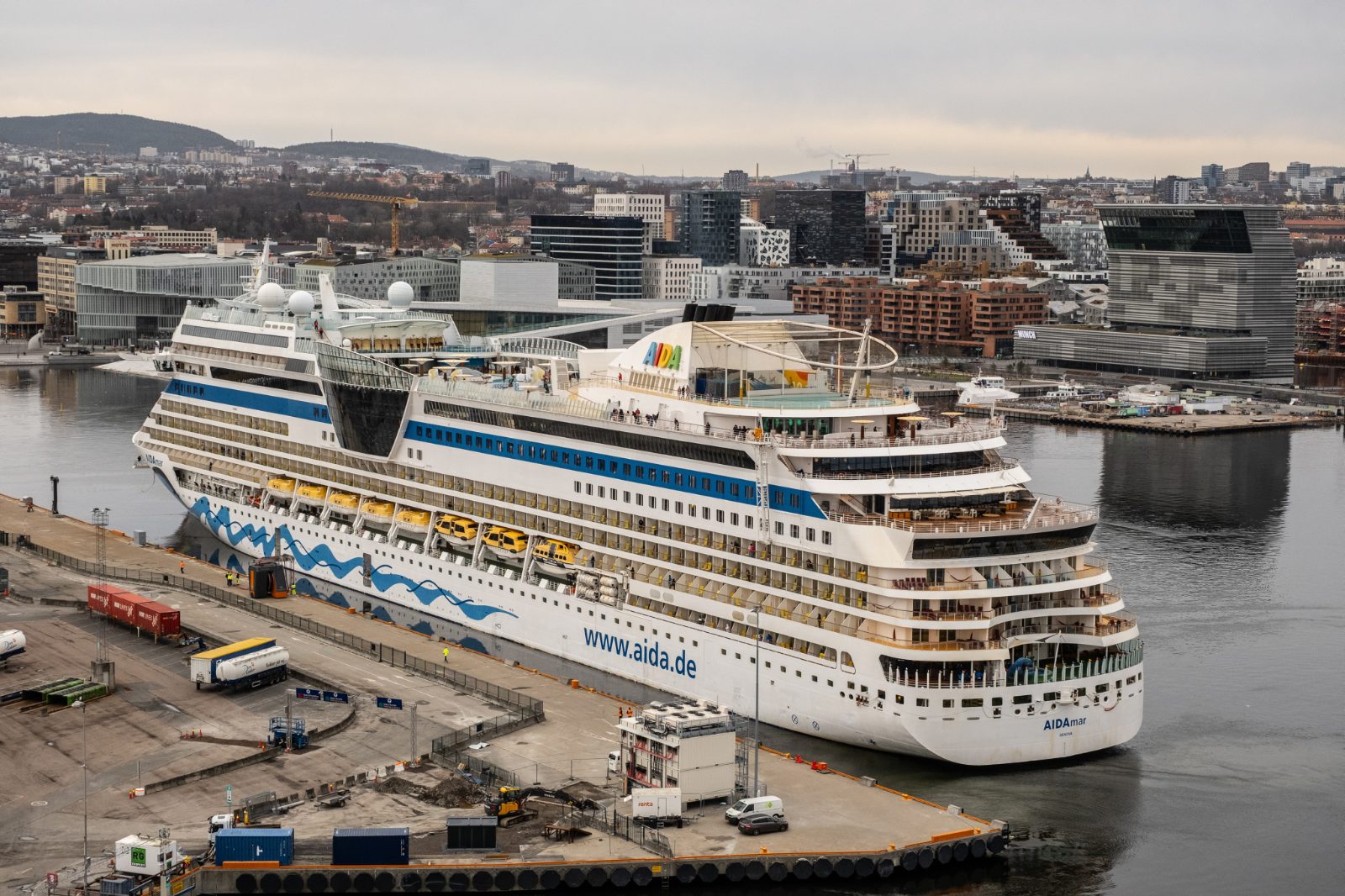
Søndre Akershuskai sits adjacent to Akershus Fortress, while Revierkaia lies roughly 400 meters south. Both quays place passengers within a 10-minute walk of Karl Johans gate, Oslo's main thoroughfare, and the Royal Palace district. Security restrictions prevent public access to the quays when vessels are berthed.
Oslo's cruise infrastructure occupies a narrow strip of reclaimed land between the medieval fortress walls and the inner harbor, a geographic constraint that has shaped the port's layout for more than a century. Where do cruise ships dock in Oslo becomes a question of capacity rather than choice: larger vessels claiming the longer Søndre Akershuskai berth, smaller ships assigned to Revierkaia when traffic demands it. The terminals share a common access road and operate under the jurisdiction of Oslo Havn, the municipal port authority that has managed these quays since their conversion to passenger use. The proximity to the city center is the defining advantage. Akershus Fortress rises immediately behind Søndre Akershuskai, its 13th-century ramparts forming the backdrop as passengers disembark. The fortress grounds remain open to the public year-round at no charge, and the walking route through its gates delivers you directly to the lower entrance of Karl Johans gate within five minutes. Revierkaia passengers exit through a separate gate but follow the same waterfront promenade, adding only minimal distance. This configuration eliminates the shuttle transfers and bus queues common at other Nordic ports. Security protocols seal the quay area during active berthing periods, a standard maritime practice that restricts pedestrian access from the landward side. Cruise passengers exit through controlled gates, while local residents and tourists cannot approach the water's edge when ships are docked. The restriction lifts once vessels depart, reopening the promenade for public use. Port operations run continuously, with no seasonal closure, though the cruise season itself concentrates between late spring and early autumn when daylight extends well into the evening hours. Passengers planning independent shore time should note that the Oslo cruise port location places them equidistant from the waterfront museums to the south and the Royal Palace grounds to the northwest, making the first hour ashore a matter of choosing direction rather than arranging transport.
“The terminals share a common access road and operate under the jurisdiction of Oslo Havn, the municipal port authority that has managed these quays since their conversion to passenger use.”
Best Time For Arrival At Where Do Cruise Ships Dock In Oslo
The best arrival window is 08:00–18:00, as daylight hours provide the best accessibility for city exploration and walking to attractions. Planning your visit during the peak summer season ensures the most consistent conditions for coastal navigation.
June to August
High cruise trafficMild with temperatures 15°C to 22°C
This period offers the longest daylight hours for sightseeing. Vessel activity is at its peak frequency during these months.
May and September
Moderate cruise trafficCooler with temperatures 10°C to 16°C
Visitor numbers are lower while facilities remain fully operational. This interval provides a balance between mild weather and manageable crowds.
Weekday mornings
Low to moderate—
Arriving early in the day allows for smoother access to local transport links. Weekday mornings experience less congestion compared to weekends.
Verdict: The optimal time to visit is during the summer months of June through August, specifically within the 08:00–18:00 arrival window.
Admission And Fees For Where Do Cruise Ships Dock In Oslo
Access to the cruise ship docking areas in the Oslo Fjord does not require an admission fee. Please note that public access to the quays is restricted when cruise ships are docked due to security protocols.
Sights Near Where Do Cruise Ships Dock In Oslo
The primary cruise ship docking areas are located along the harbor promenade, placing visitors within short walking distance of central historical and cultural landmarks. These sites are ideal for exploring on foot during your time in port.
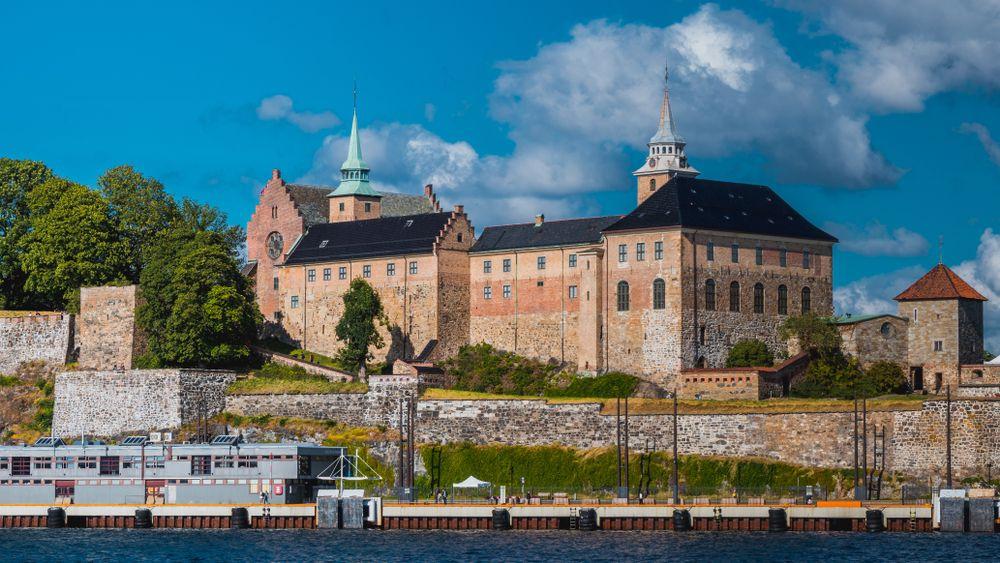
Akershus Fortress
This medieval castle complex overlooks the harbor and offers expansive views of the Oslo Fjord. It provides a quiet walking area directly adjacent to the main cruise quays.
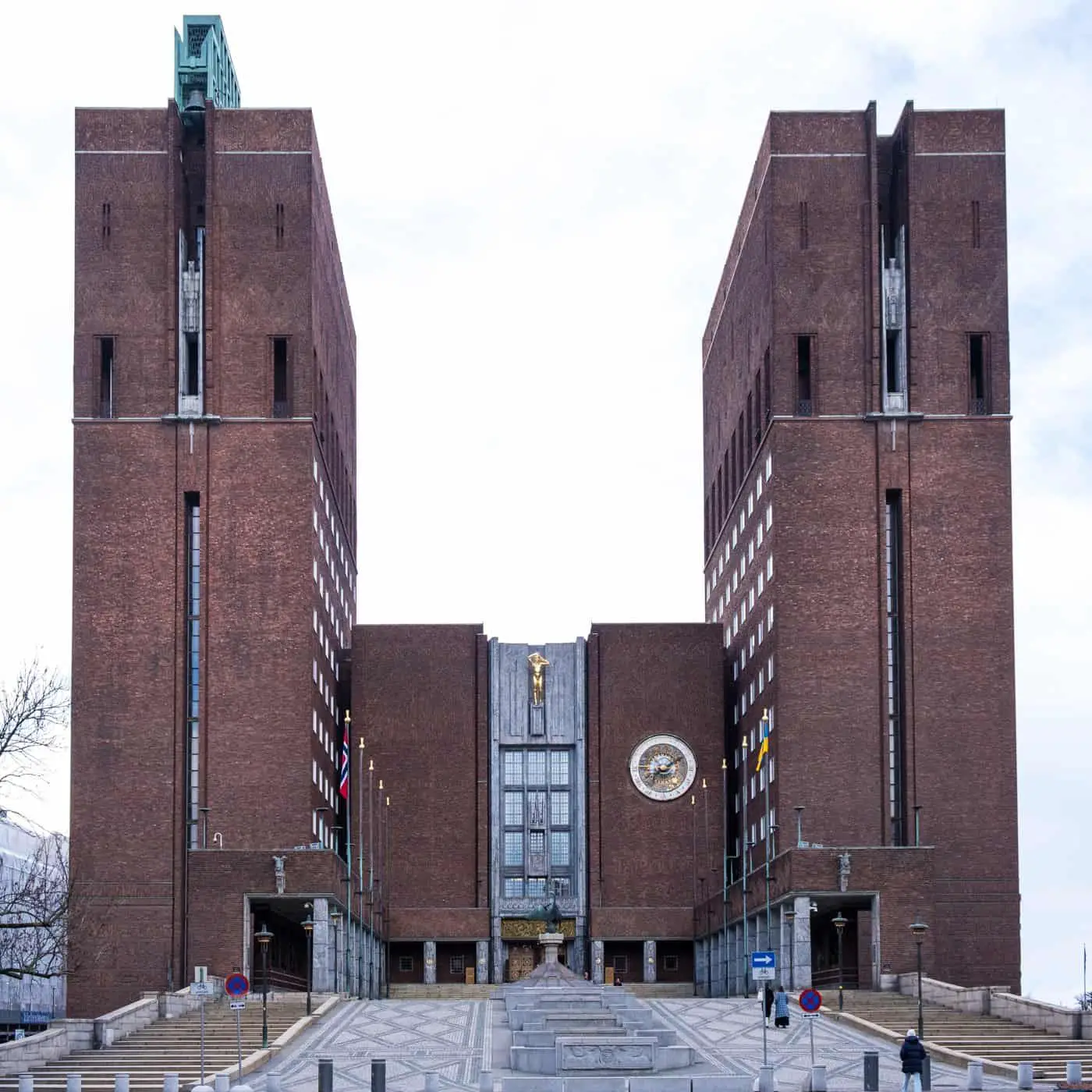
Oslo City Hall
Located near the waterfront, this building is known for its architecture and housing the Nobel Peace Prize ceremony. It serves as a central navigation point for reaching the city center.
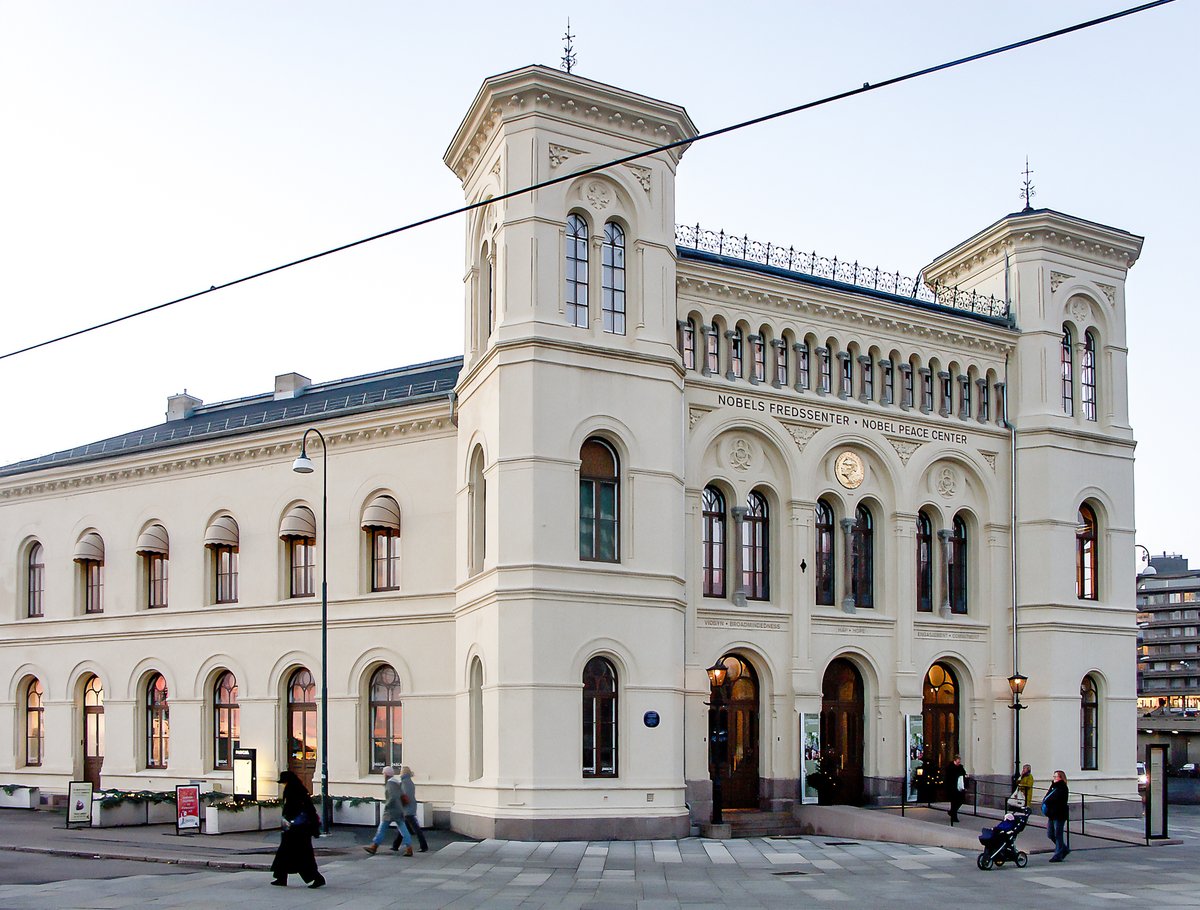
The Nobel Peace Center
Situated at the old western railway station, this museum focuses on the Nobel Peace Prize and its laureates. It is a logical next stop after visiting the nearby City Hall area.

National Museum
This museum houses an extensive collection of art, architecture, and design in Norway. Its proximity to the harbor allows for a structured cultural visit within a limited timeframe.
Check availability
Frequently Asked Questions: Where Do Cruise Ships Dock in Oslo
Everything you need to know about where do cruise ships dock in oslo